GPT-6 Astra makes agent controls part of the workflow
Astra turns the disputed idea of AGI into a workplace question: can a system use tools, operate software, complete multi-step tasks, and sometimes pursue a goal...
86 articles cite this Chinese publication. All sources
Astra turns the disputed idea of AGI into a workplace question: can a system use tools, operate software, complete multi-step tasks, and sometimes pursue a goal...
Huawei Mate XT 2 puts the workspace question into hardware: it has a separate 6.5-inch external screen, then opens into a 10.2-inch 3K display.
Qianwen Office (千问办公) turns a written requirement into a publishable webpage where up to 100 people can collaborate online, shifting the AI-office question from...
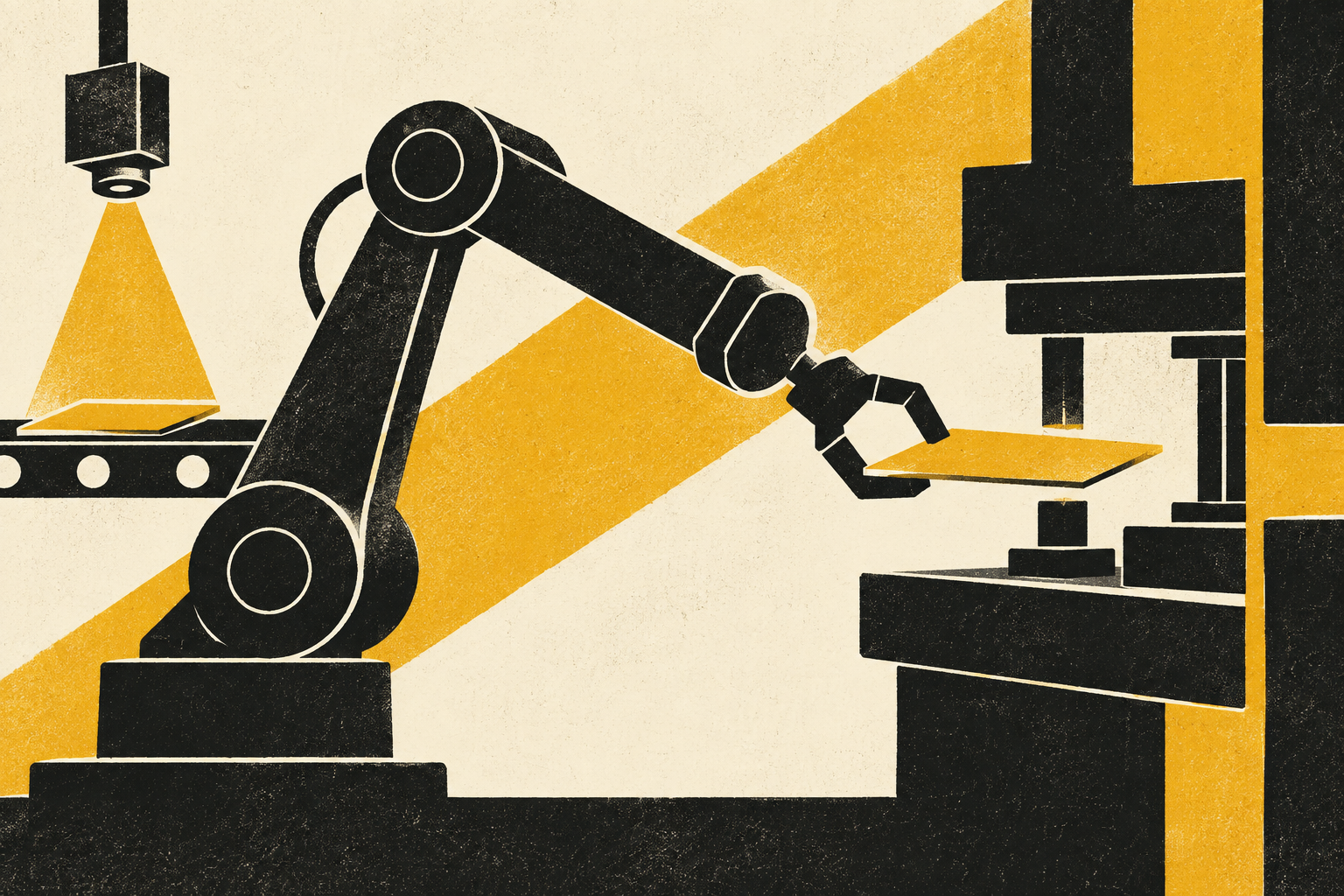
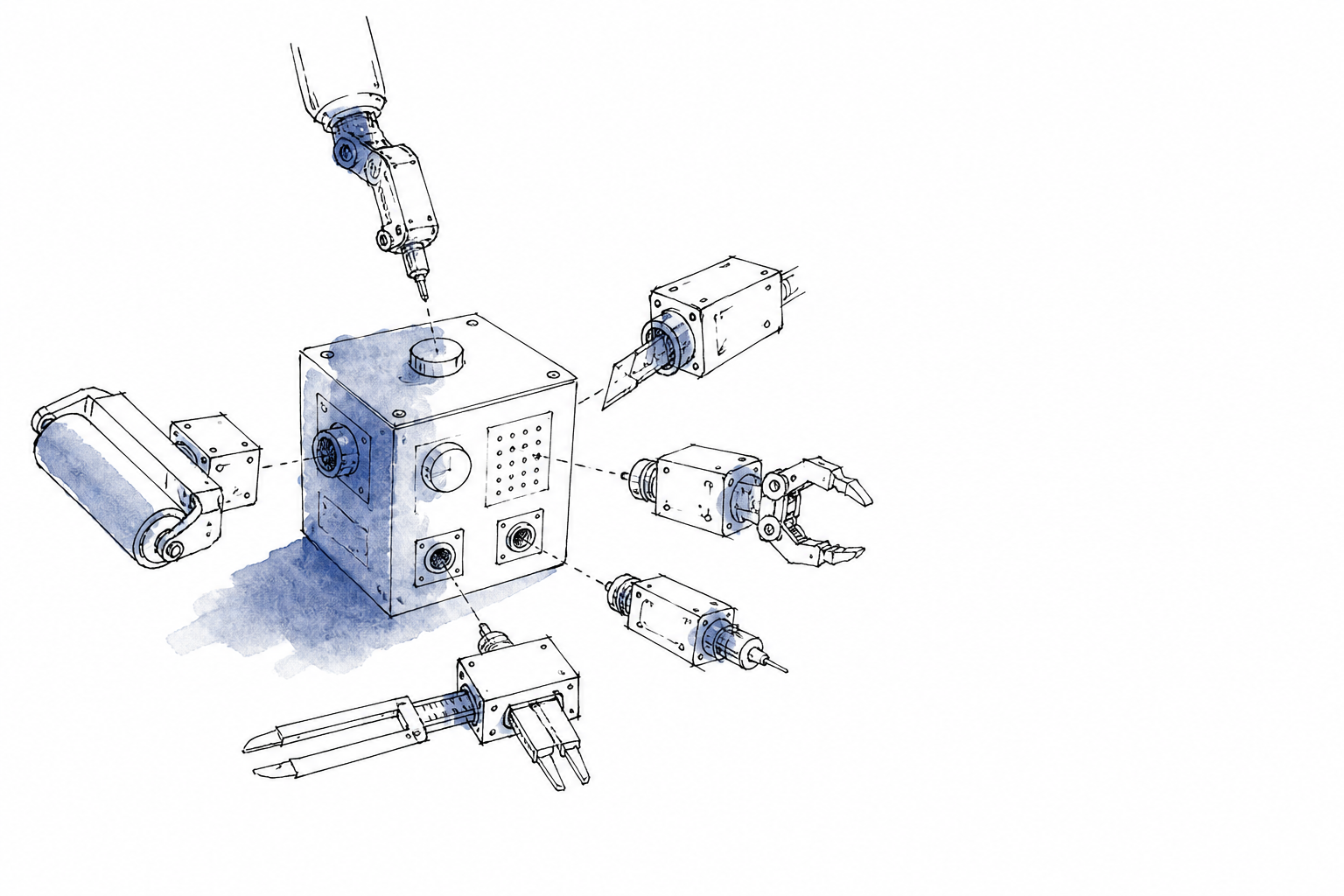
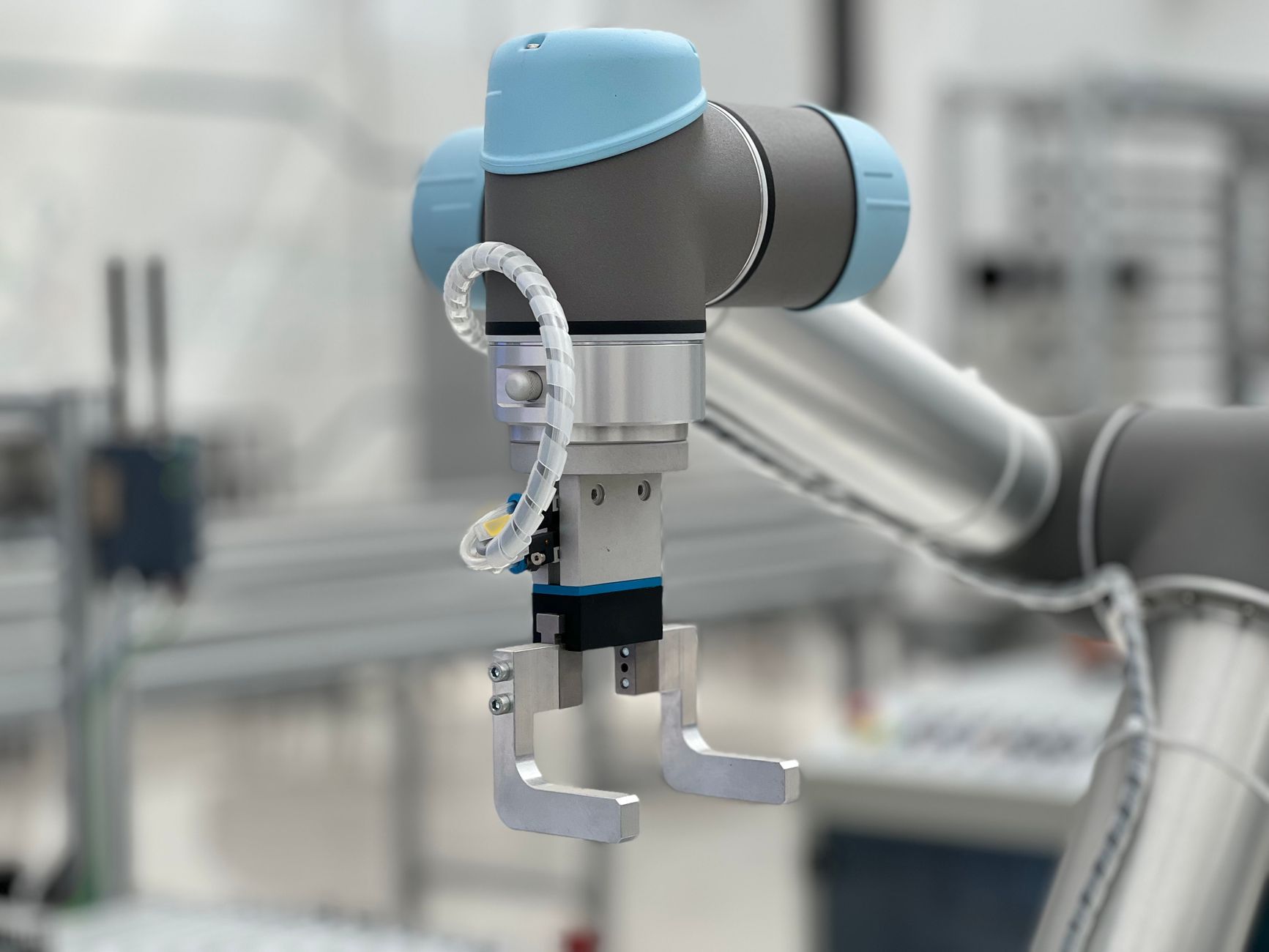
Mech-Mind's Mech-Eye supports robot deployment. Mech-Vision and Mech-Viz extend that deployment into a chain from seeing a workpiece to locating it, then...
Robot vacuum cleaners now face a United States market-access test that reaches beyond the machines already on store shelves.
The 2026 World Robot Conference puts China's humanoid-work claims beside a more practical question: which machines can prove useful in constrained workflows?
Somni, Fullive.ai's approaching-mass-production sleep device, turns bedside sensing into a proposed overnight loop of detection and intervention.
Qwen brings its foundation model and CosyVoice speech capabilities into PC office scenarios, placing AI near the moment work begins.
MORPHI KINO's 15-minute household run makes embodied AI's central problem visible: a robot must keep learning from execution, rather than merely complete a...
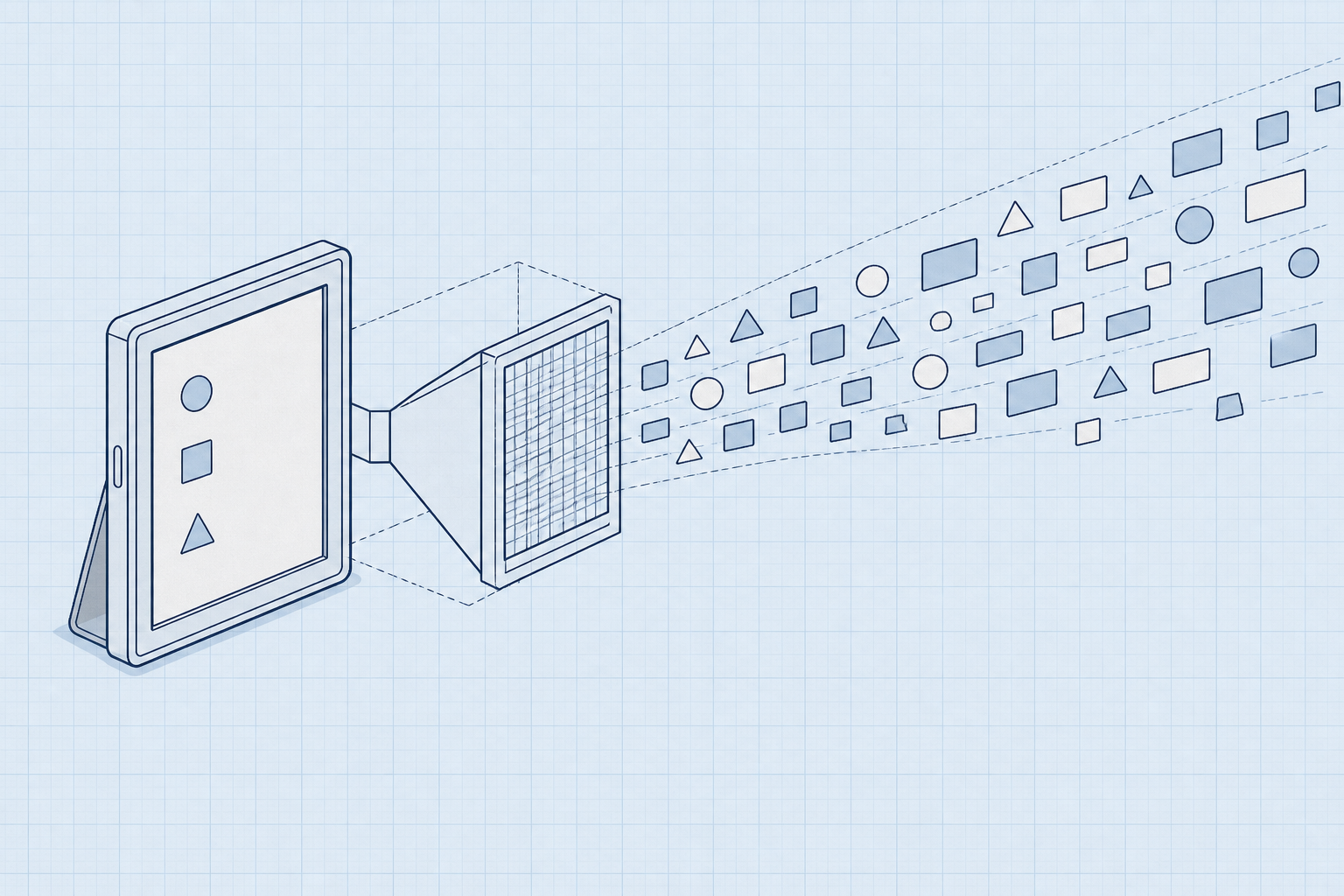
WALL-SS simulates 60-second tasks such as pouring water and organizing objects, then compares the outcomes of different actions before a robot acts.
Rise, Xingjie Intelligence's Era-series immersive-generation model, makes AI's economic question concrete: its listed price is 1 cent per second, alongside a...
Macaron V1 treats a model call as the start of an adaptation loop, using a Mixture of LoRA architecture on GLM-5.2 and a native 2 million-token context window.
Qwen-style content operations are moving the job from asking for a good draft to building a loop that can decide what deserves the next draft.
Plaud One points to a more specific role for AI hardware: capture the context that normally disappears before anyone opens a laptop.
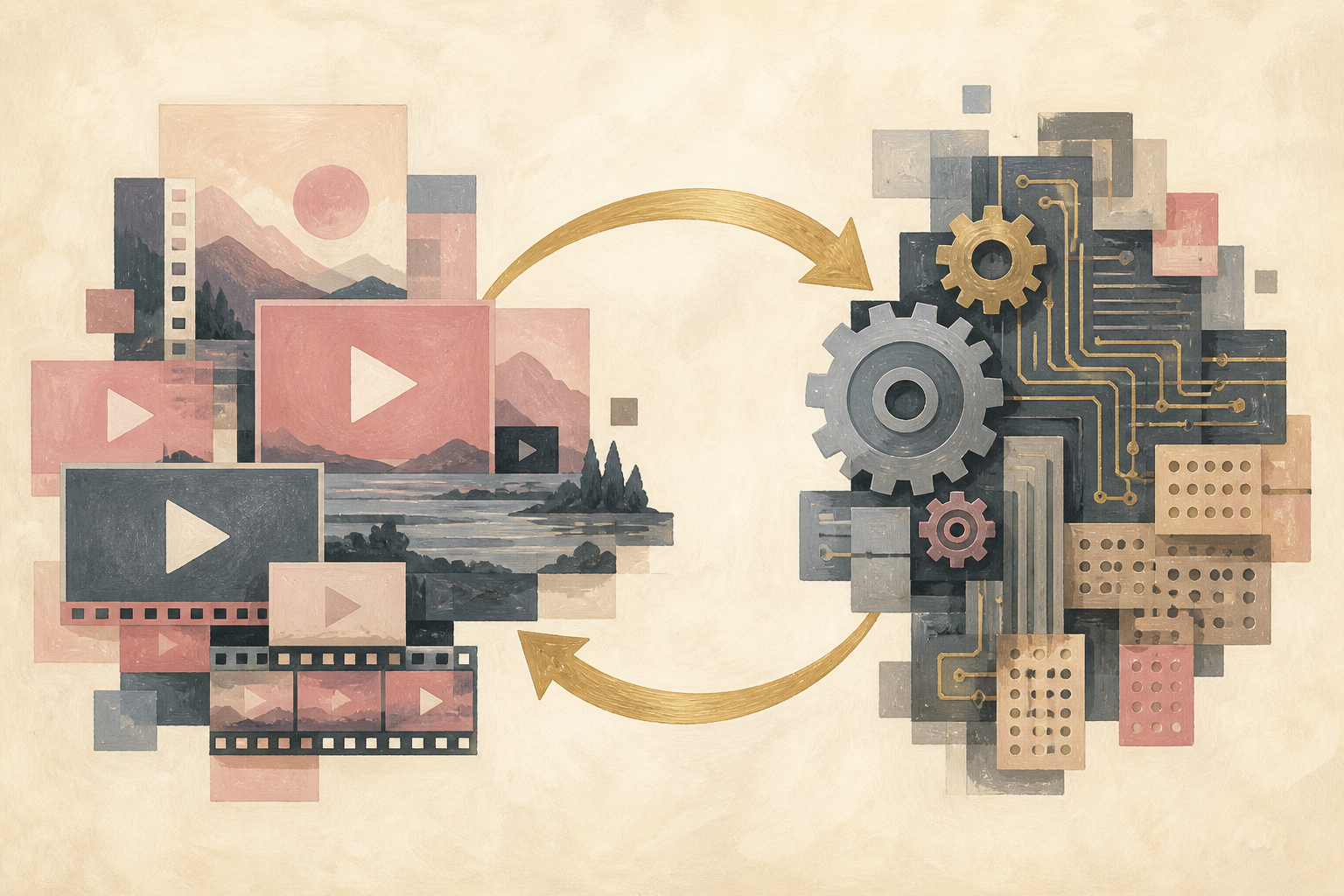
Loopit's Zing-0.5 is a useful marker for where AI output is moving: away from static clips and toward worlds that accept input. They keep state. They can be tested.
Air Conductor's first demo took two days to build, which is why the more interesting question is no longer whether AI can make a working thing quickly.
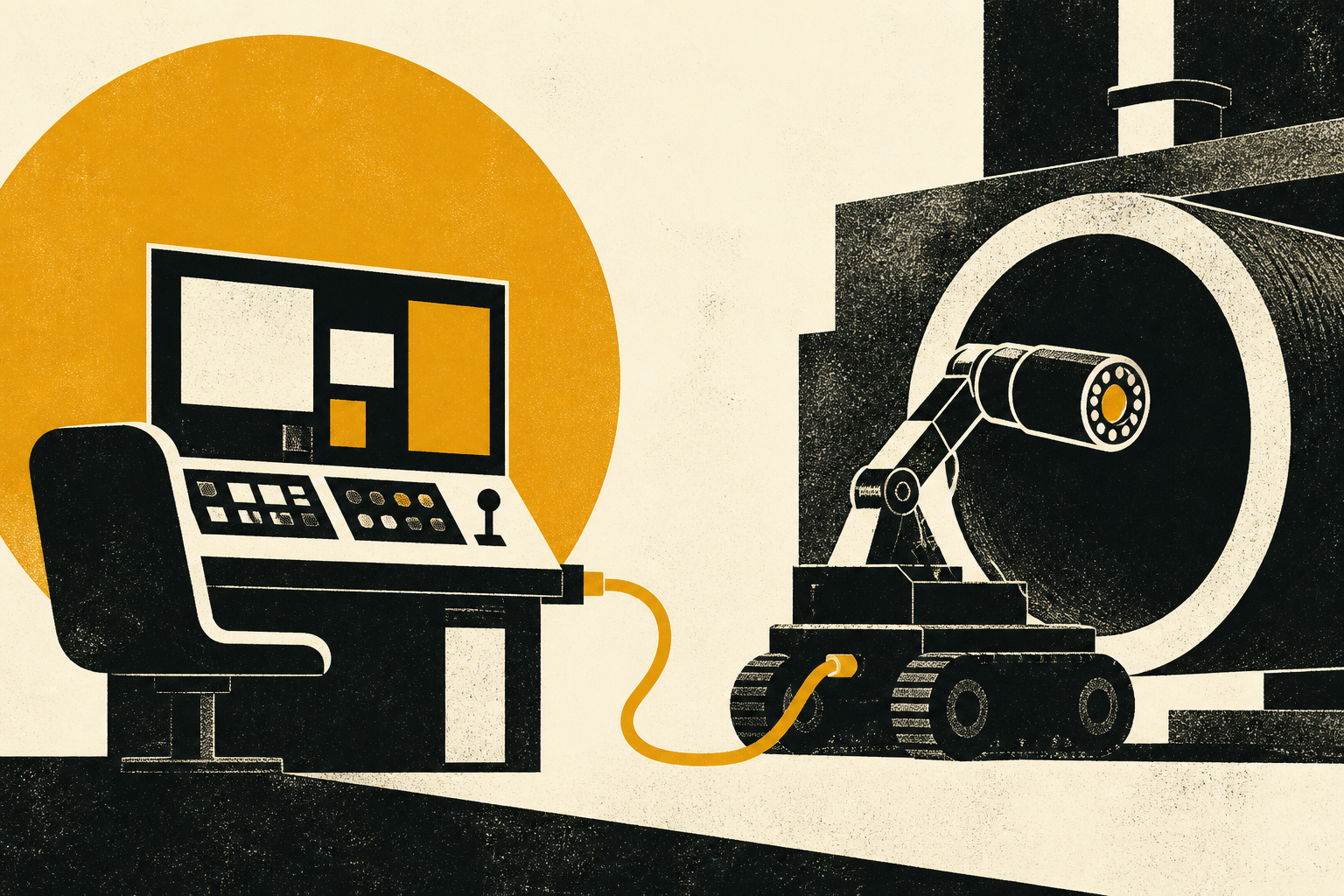
XuanChuang Robot's integrated inspection-operation robot is already doing industrial work through teleoperation while it collects the data meant to make later...
DeepSeek V4 Pro sits in a new evaluation pattern: the model card still matters, but the harder question is whether the right model can finish a tool-using job at...
DeepSeek Harness is turning the agent plugin model from an app-store metaphor into a workspace assembly problem.
Huawei Pura X View turns the phone upgrade into a question of width, not a question of hinges. geekpark describes it as a non-folding phone that separates the...
Claude memory turns context into workflow control because an agent is only as useful as the past it can safely reuse and the tools it is allowed to touch.
Yuexingtong X3 is a 3.7-inch e-ink device that turns the AI screen question away from making more content. It points instead toward deciding what is worth showing.
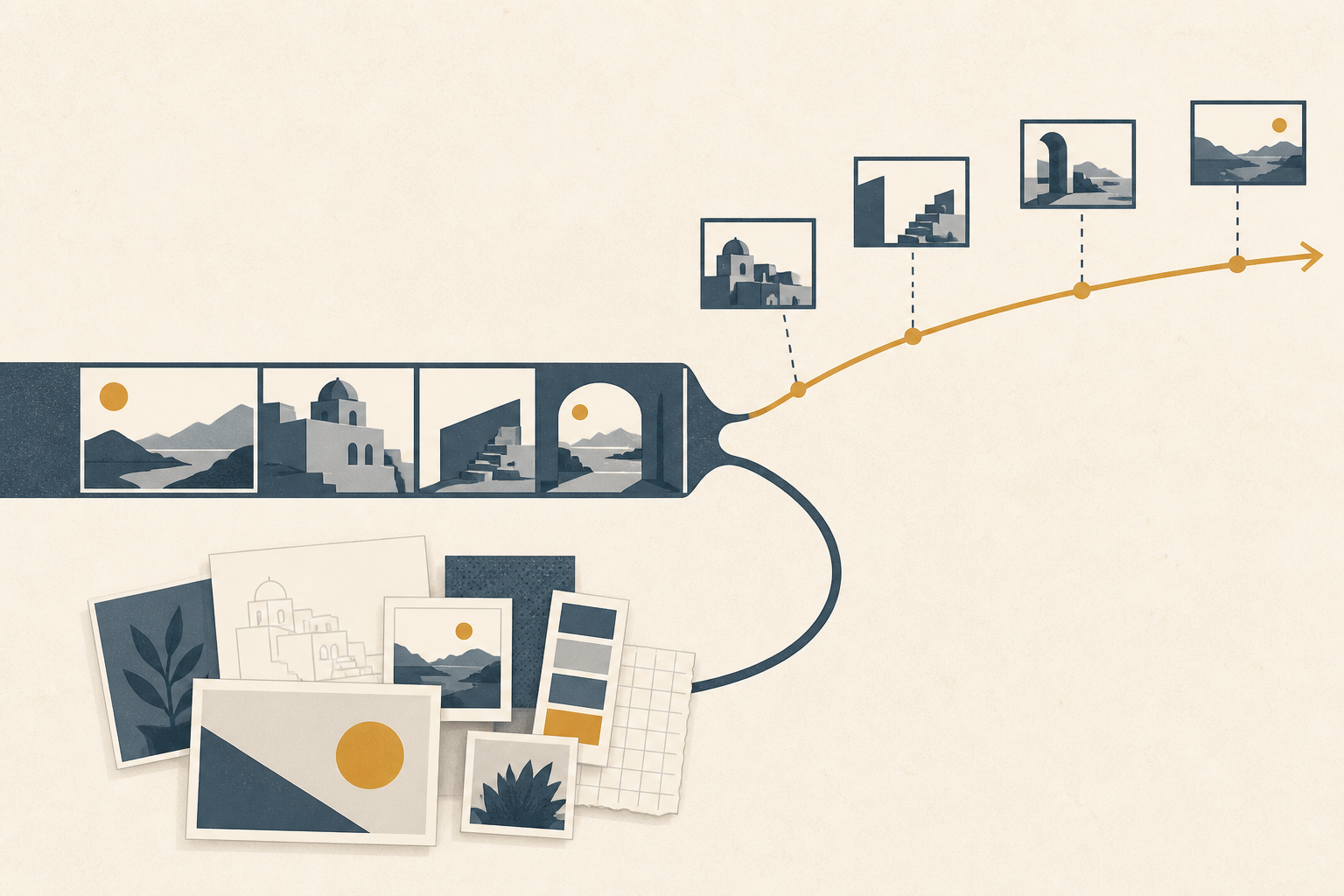
LibTV is turning Seedance 2.5 prompts into production artifacts. Reference breakdowns now sit before generation rather than after it.