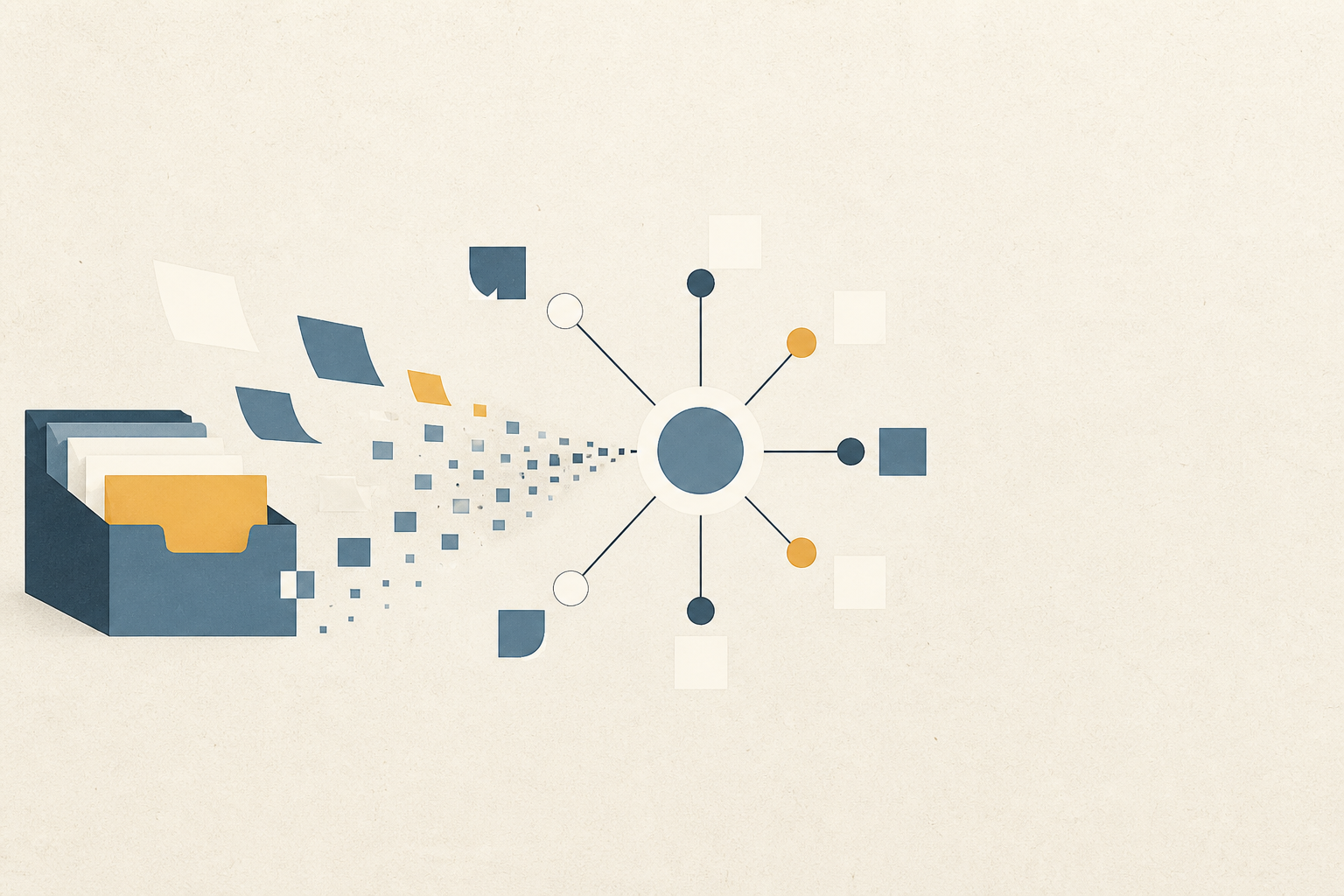
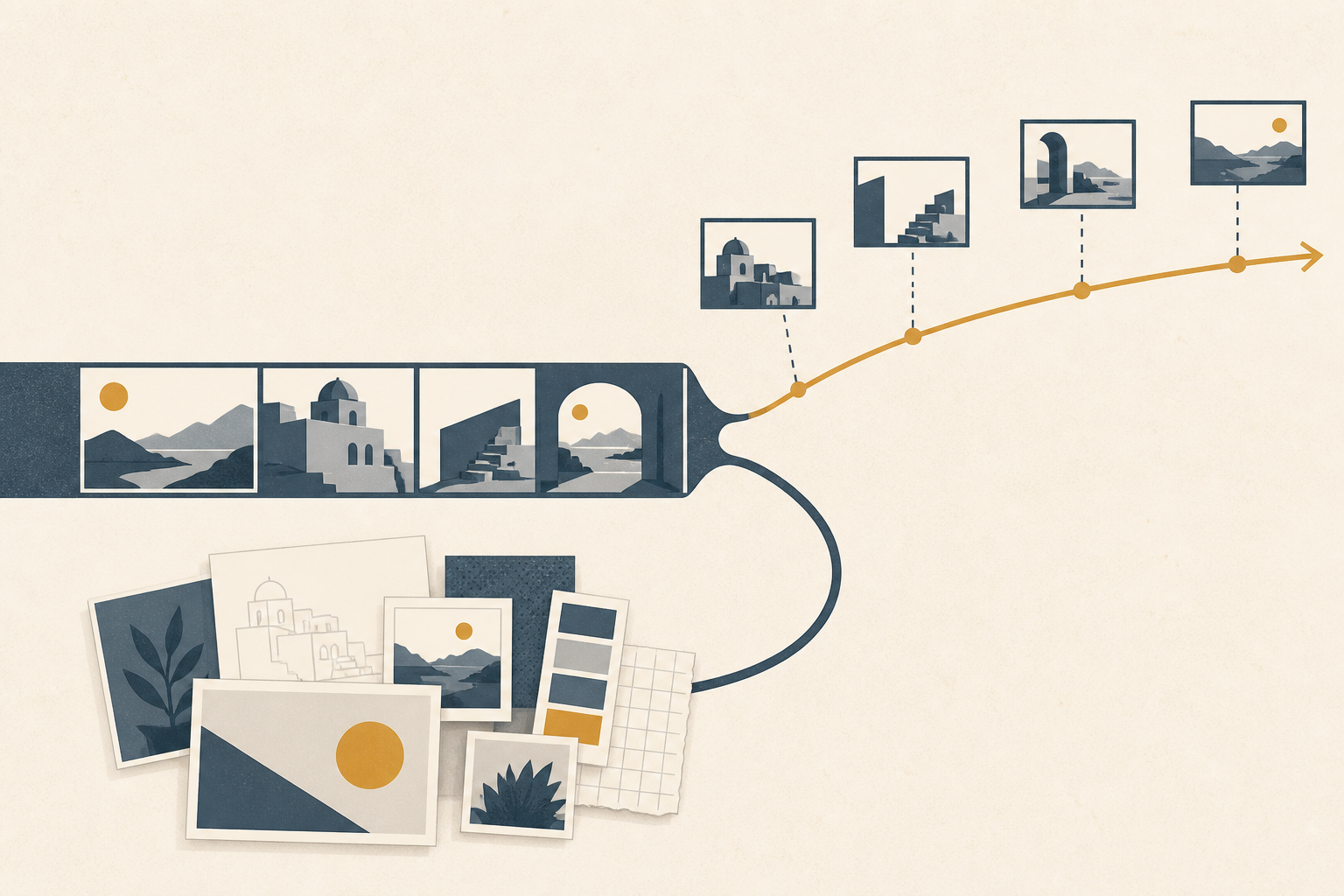
Infinite Slop makes content judgment a scheduled task
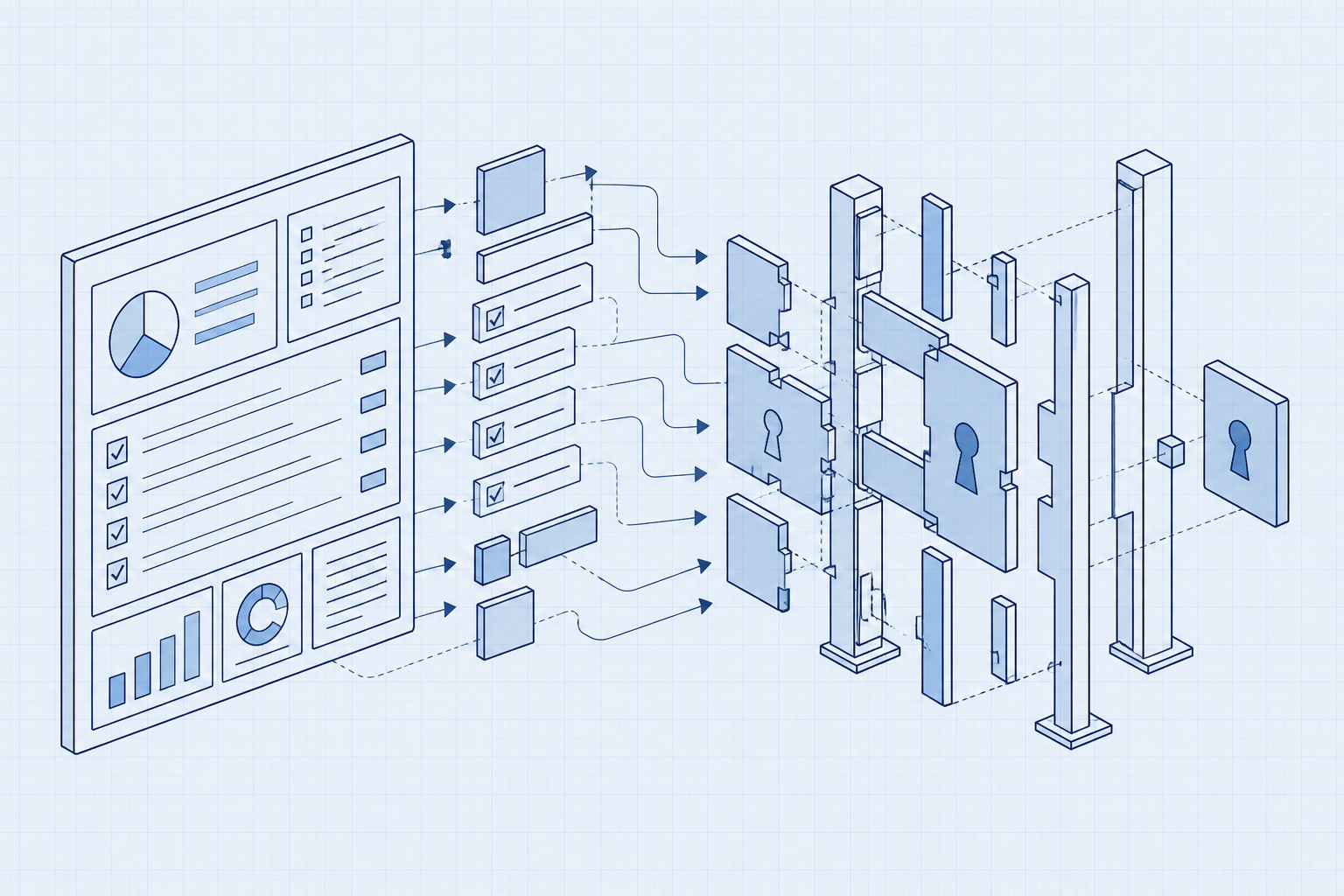
Qwen-style content operations are moving the job from asking for a good draft to building a loop that can decide what deserves the next draft.
45 articles cite this Chinese publication. All sources
Qwen-style content operations are moving the job from asking for a good draft to building a loop that can decide what deserves the next draft.
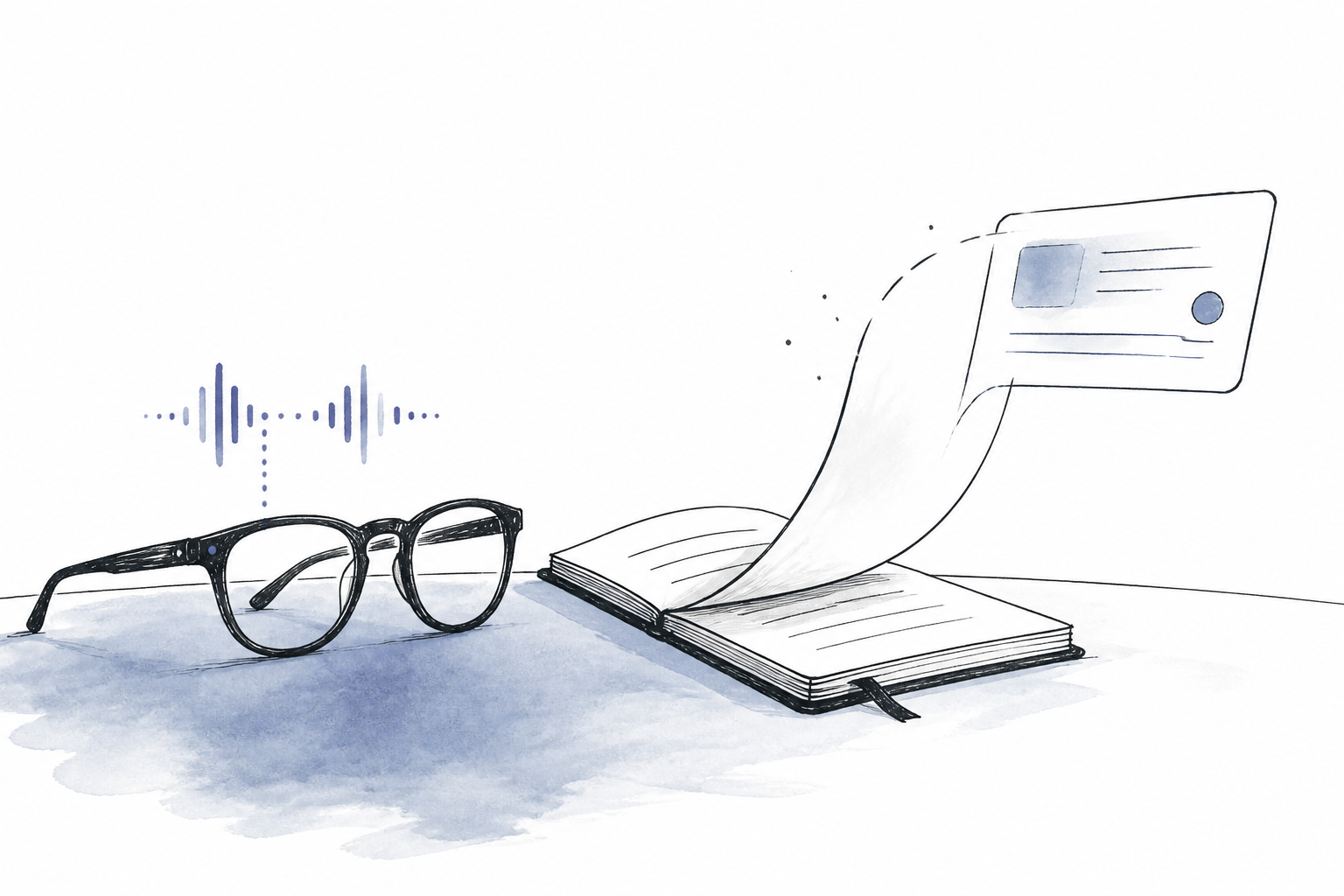
Plaud One points to a more specific role for AI hardware: capture the context that normally disappears before anyone opens a laptop.
Loopit's Zing-0.5 is a useful marker for where AI output is moving: away from static clips and toward worlds that accept input. They keep state. They can be tested.
Air Conductor's first demo took two days to build, which is why the more interesting question is no longer whether AI can make a working thing quickly.
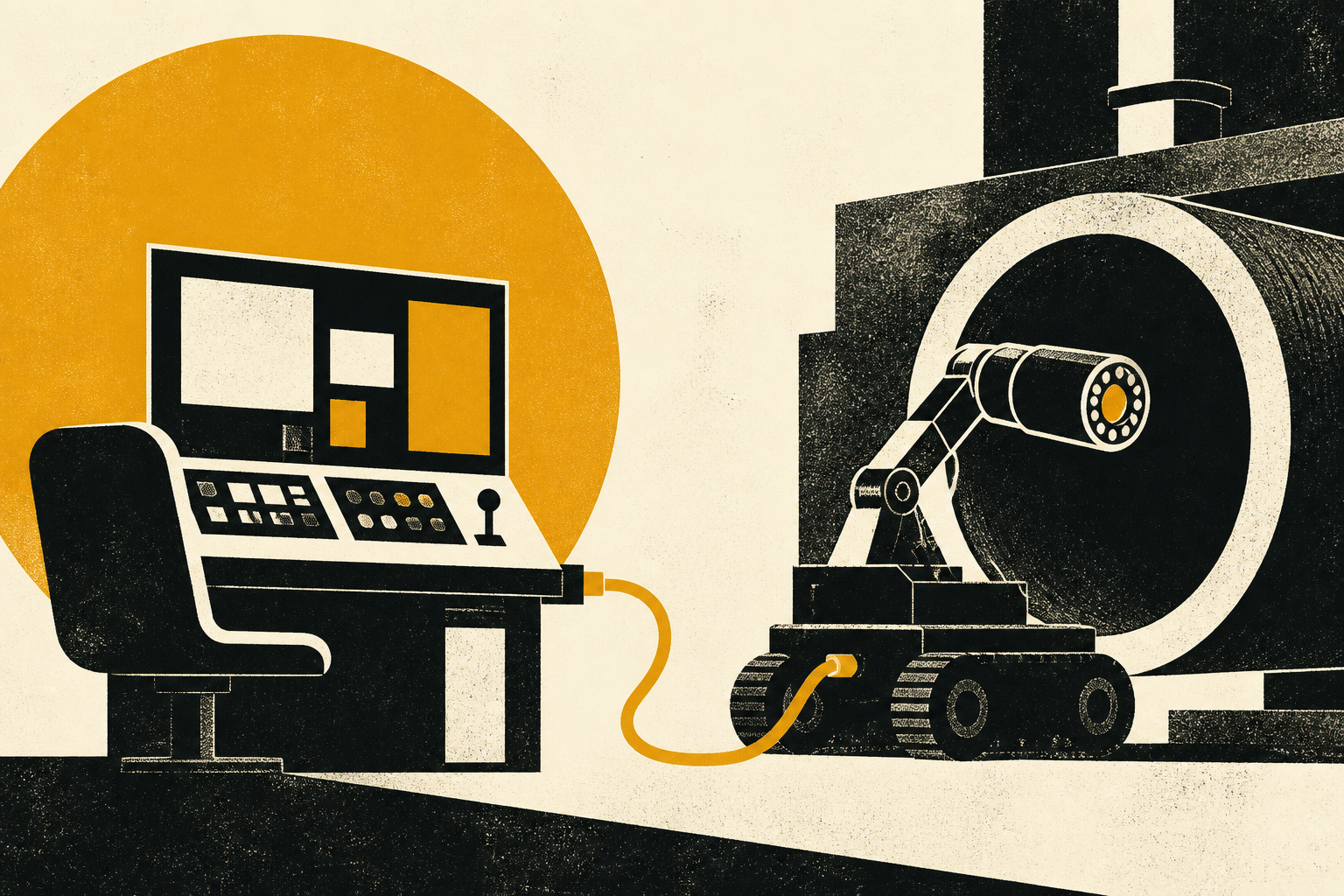
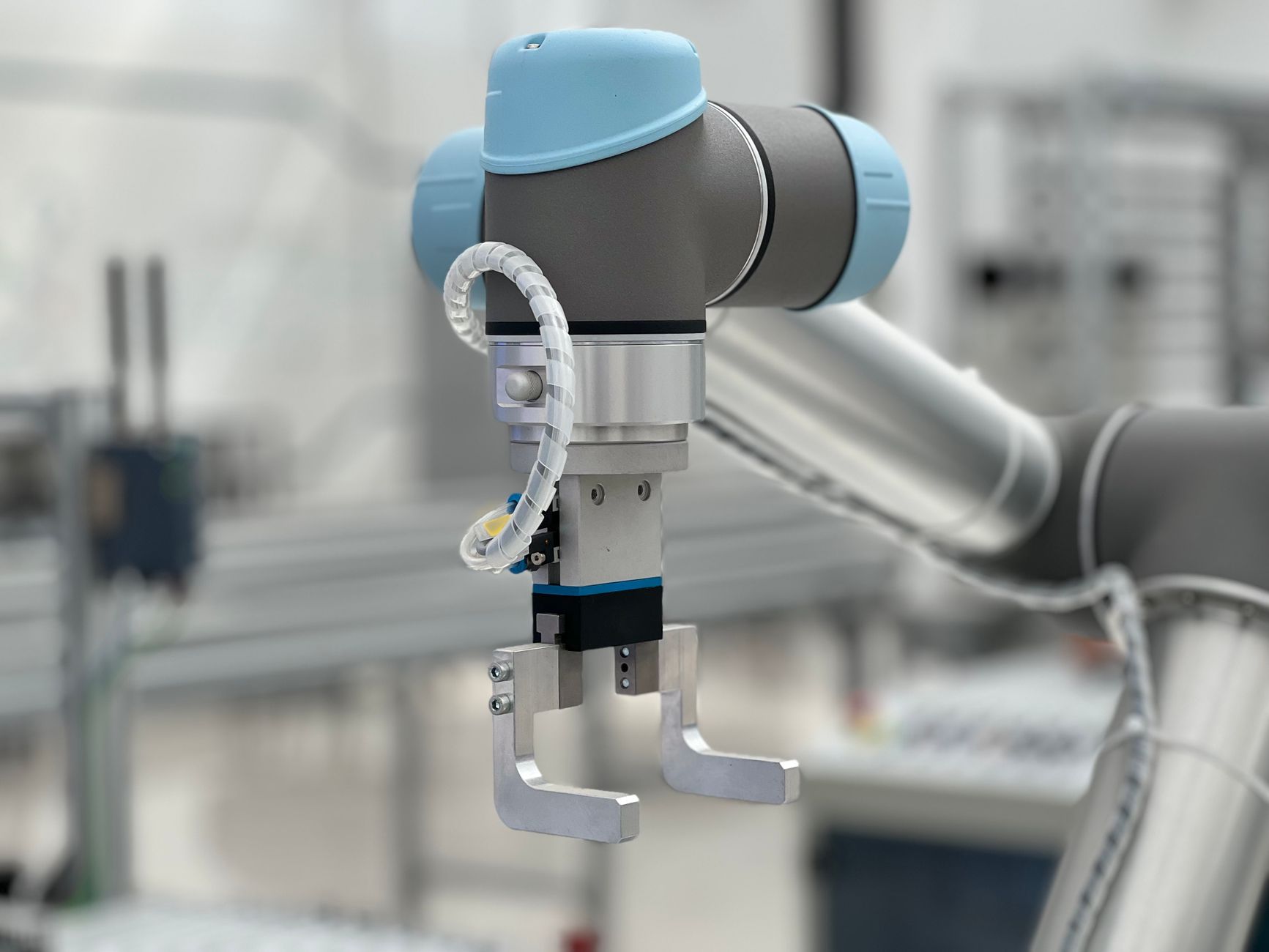
XuanChuang Robot's integrated inspection-operation robot is already doing industrial work through teleoperation while it collects the data meant to make later...
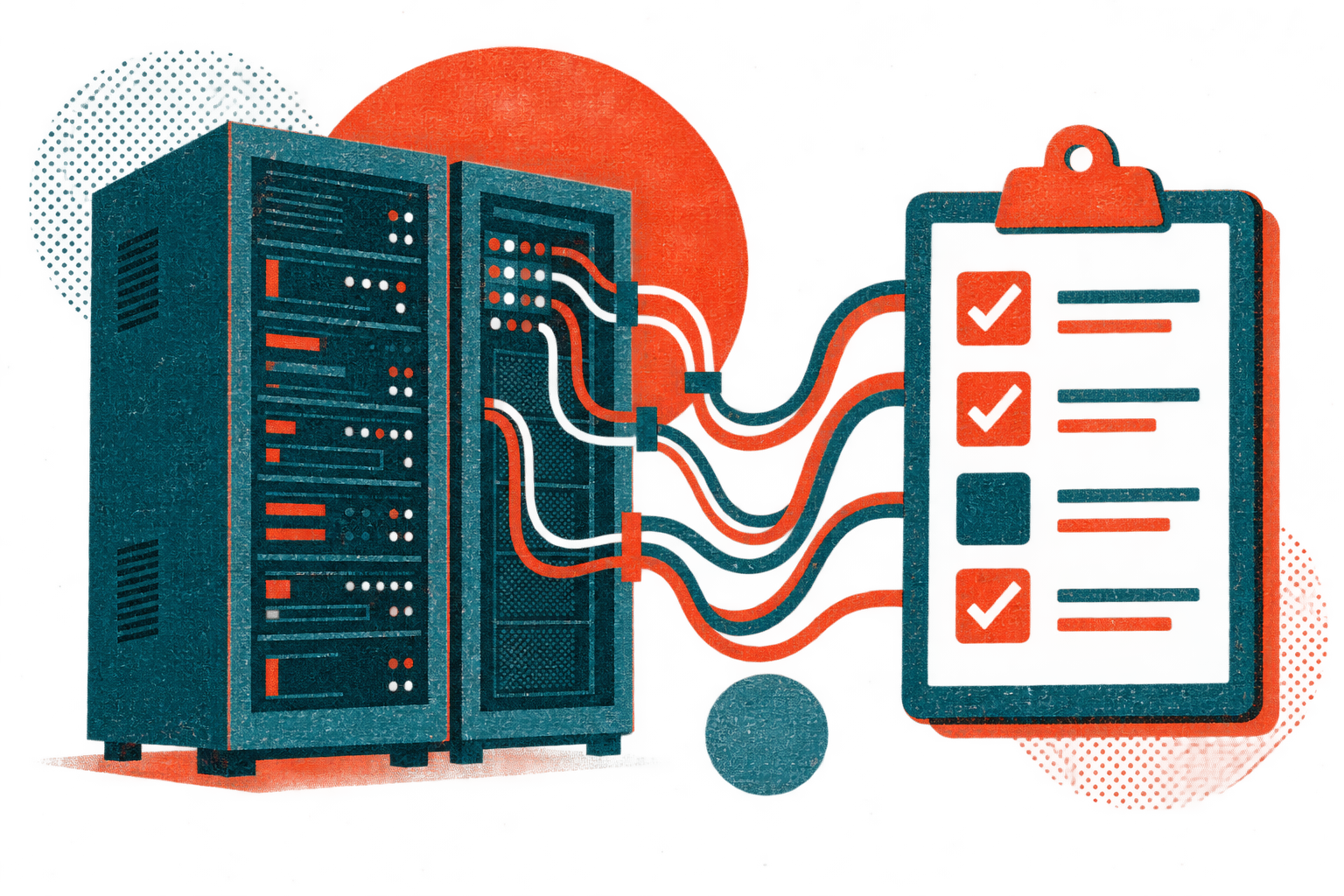
DeepSeek V4 Pro sits in a new evaluation pattern: the model card still matters, but the harder question is whether the right model can finish a tool-using job at...
DeepSeek Harness is turning the agent plugin model from an app-store metaphor into a workspace assembly problem.
Tencent's Token quota turned AI from a background workplace perk into a metered line item: in the second week of June, one employee's previous monthly allowance...
Maifushi fits a broader Chinese AI pattern: the money is moving away from plain access and toward products that can sit inside a repeatable business workflow.
Claude memory turns context into workflow control because an agent is only as useful as the past it can safely reuse and the tools it is allowed to touch.
WorkBuddy makes the AI-office question harder because its Douyin demo looked like a workspace, yet Gao Hui at woshipm says the shell collapsed into a static HTML...
RayNeo iO is being sold as human-augmented AI glasses, but its most concrete near-term job is simpler: capture the day while the user is already wearing the device.
Kimi K3 makes open weights feel less like a research gesture and more like an operating choice for companies deciding where the model stack should live.
Kimi K3 turns model choice into a workflow problem because Moonshot AI is pushing raw capability into a form that looks easier to copy and harder to defend.
Yuexingtong X3 is a 3.7-inch e-ink device that turns the AI screen question away from making more content. It points instead toward deciding what is worth showing.
Nadou Pro is iQIYI's signal that AI video is becoming a production system, not a clip machine. According to a Chinese media report, the AIGC professional film...
Desktop AI office agents already have mass attention in China, but attention is becoming the wrong scoreboard.
Tencent's Hunyuan and WorkBuddy now sit inside a more expensive bargain: the company's capital expenditure reached 52.8 billion yuan in the second quarter, up...
LibTV is turning Seedance 2.5 prompts into production artifacts. Reference breakdowns now sit before generation rather than after it.
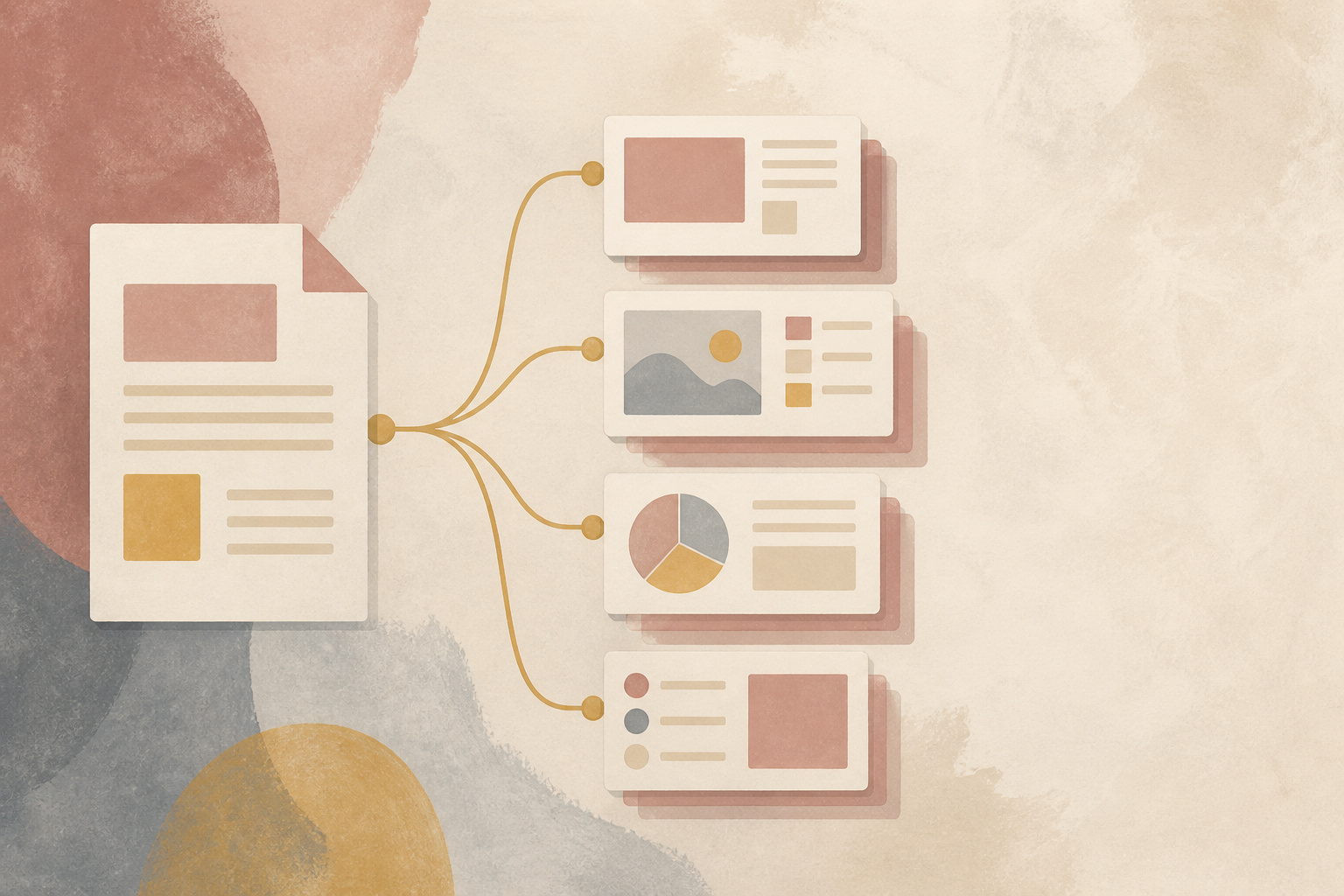
PPT Agent workflows expose a useful limit for AI office tools: the model should not rush from a vague request straight into finished slides.
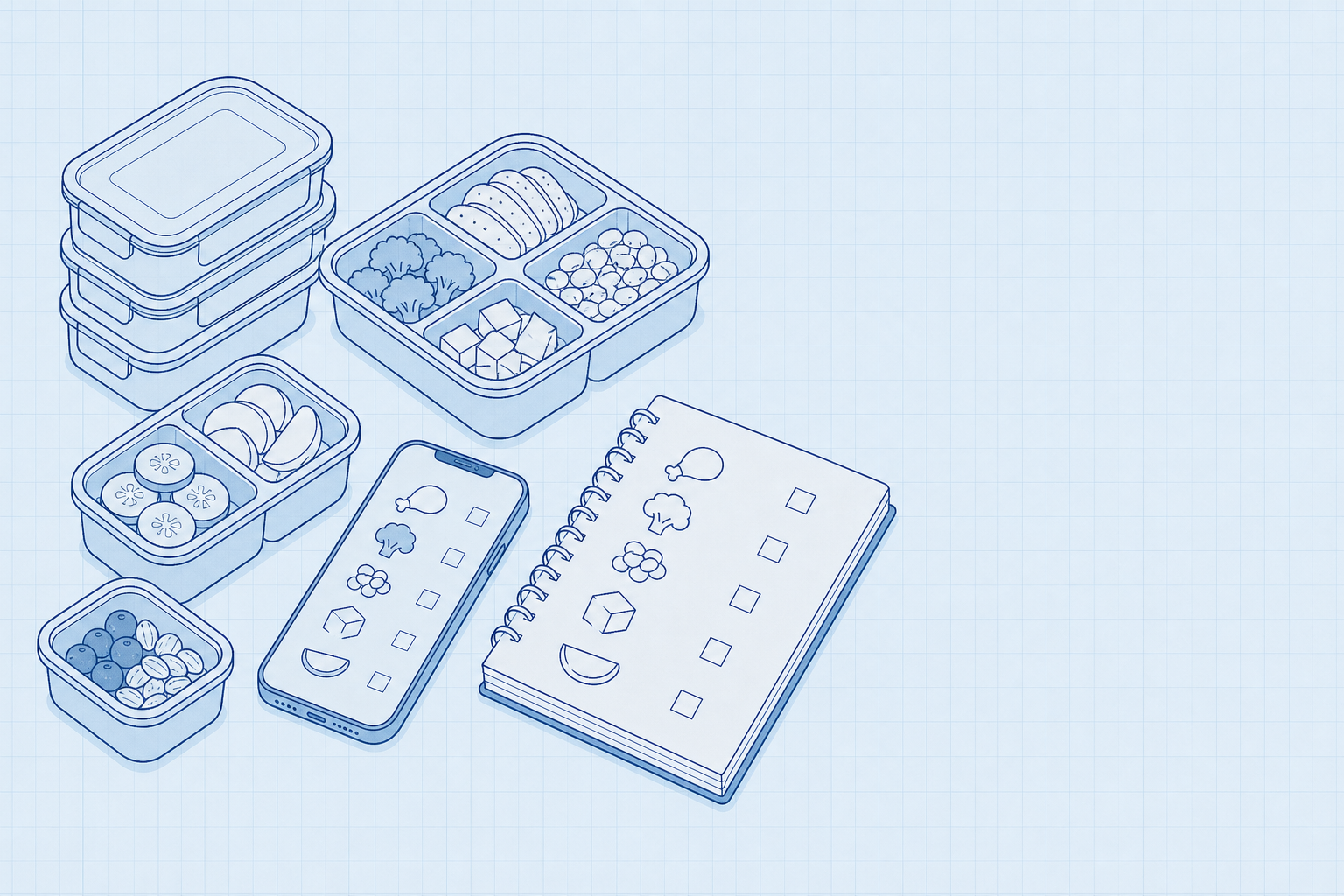
Cold meal prep shows the right limit for AI Xiaokang: the useful system starts with defaults people can trust before any model tries to decide dinner.
Claude agents show why agent cost is becoming a workflow metric rather than a model sticker price. woshipm cites SemiAnalysis calculating a real blended price of...
AI-native applications can win overseas pilot orders before they have a business model capable of surviving overseas customers.