
AI creation tools have already cleared the first gate. According to woshipm, many products now open in a webpage, an input box, or a chat window, so users can type one sentence and get a result without installing anything or finishing a tutorial. That makes generation feel easy.
The harder part comes later. woshipm argues that the barrier has moved after the first output, where problems like inconsistent characters, unnatural dialogue, or images that do not hold together as one story start to matter. At that point, the issue is often not getting a draft at all, but knowing how to revise it further.
That is the real test for AI creation tools: whether they help people think after the draft exists. The useful product does not stop at output; it supports judgment, editing, and another pass that turns a rough answer into something reusable.
Generation is the easy part; revision is where the product starts
AI creation tools have made the first step look easy. According to woshipm, many products no longer ask users to install an environment, understand models, or finish a tutorial before they begin. A webpage, an input box, or a chat window is enough: write one sentence, get a result, move on. That is why the threshold is changing. The real test starts after the draft exists.
The barrier has not gone away; it has moved later in the process. Woshipm's author argues that current AI friction often shows up after output is generated, when characters are inconsistent, dialogue sounds unnatural, or images fail to hold together as one story. The harder problem is not producing something, but knowing how to revise it further when it is not right. That is where many tools still leave users alone.
For that reason, the next useful AI newcomer experience should help people break down the problem after the first failed generation. Woshipm points to a micro-drama workflow that fixes the character first, then generates the scene, then handles the storyboard instead of pushing everything into one input box. Geekpark makes a similar point from the video side, arguing that AI video commercialization and industrialization first happen in videos that are one to ten minutes long.
Shorter outputs are easier to shape. They are also easier to repair.
Why voice input helps some tasks and hurts creative work
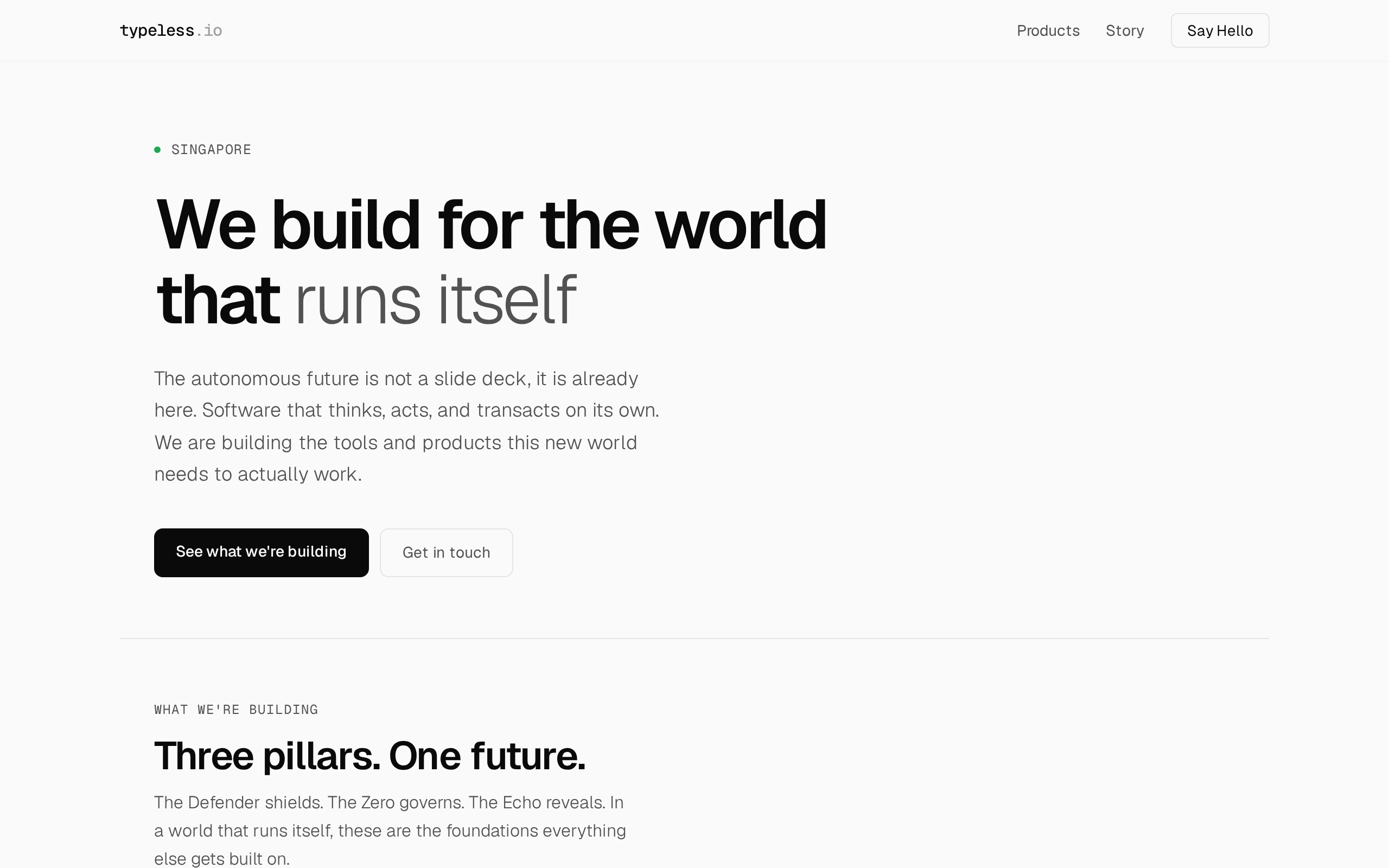
Typeless is a voice input tool that uses a large language model to process transcription before it lands in the input box. It strips filler words from speech and can even follow replacement instructions, so a spoken correction can reshape the transcript instead of leaving every stumble intact. That makes it useful when the goal is a quick reply, especially in chat where someone else may already be waiting on the other side. Short, immediate, transactional.
For writing, that same speed can be a trap. The author at sspai says voice input tools are taking away their thinking process, and argues that saying is not faster than typing when the job is text creation. Writing is not a straight line from mind to page; it is a thinking process that depends on revising, backtracking, and rephrasing. A 30-second failed Typeless session made that point concrete: a macOS client bug, a buffered Chinese input method, and garbled text left the tool barely able to polish the speech into a reasonable sentence. The workflow broke because the tool treated speech as output, not as material for thought.
That is the split that matters. Typeless tries to clean up voice after the fact, which helps when the task is to get words into a box quickly. But tools that only offer regenerate when the result is unsatisfactory can push users into a blind gacha game, where the system keeps throwing new drafts at them instead of helping them inspect and revise the one they already have. Writing by hand was valued in the quoted passage from 《美国讲稿》 for the same reason: revision is part of the work. Spoken intent is only raw material until the tool makes it editable.
How the three sources frame the real bottleneck in AI-assisted creation
| woshipm on AI creation after the first draft | GeekPark on Creative OS / TapNow | sspai on Typeless | |
|---|---|---|---|
| Main bottleneck | The barrier has shifted later in the process: after output is generated, users may not know how to revise it further. | Creative work should be organized into reusable systems rather than handled as a single prompt-to-output step. | The issue is not typing speed alone, but whether voice input preserves thinking and revision. |
| What the tool is optimizing | Help users break down the problem after a failed generation instead of only offering regenerate. | Brainstorming, workflow reuse, materials ingestion, and multi-step production from idea to final delivery. | Transcription plus cleanup, including removing filler words and interpreting correction instructions. |
| Typical failure mode | A result is inconsistent, unnatural, or does not hold together as one story. | A vague idea is not yet structured into character settings, narrative directions, or visual plans. | Voice input can feel like it takes away the author's thinking process; a client bug can also garble text. |
| How revision happens | The author suggests fixing the character first, then the scene, then the storyboard for AI micro-dramas. | Brainstorm expands an idea; Skill packages an existing workflow; Plugins pull in references and materials from other tools. | The model can revise spoken text before it reaches the input box, including corrections like "啊,不是,刚才说的应该是......". |
| Role of human judgment | Human judgment stays central after the first generation, because the hard part is deciding what to change next. | Human workflow design remains central through structured steps, review annotation, and version confirmation. | Human judgment is still needed because the author sees writing as a thinking process, not just speaking faster. |
| Input style | Many AI products are described as a webpage, input box, or chat window where one sentence yields a result. | Creative OS can start from Feishu meeting notes and Notion customer briefs, then move through production stages. | Voice input from natural speech is the core interface. |
| Material and system integration | not covered | Plugins let AI read materials from Feishu, Notion, Slack, Frame.io, Pinterest, and Vimeo. | not covered |
| Notable product features | not covered | Brainstorm, Skill, Plugins, 3D virtual studio, Harness Layer, Sonilo Sound Effects 1.0, and Sonilo music model. | Removes filler words, cleans transcripts, and can output polished text from spoken input. |
| Who it is for | Ordinary users who are willing to begin but do not know what to do after failure. | Brand, marketing, game publishing, and product communication teams; also creators working on videos and scripts. | People who want fast voice-driven text entry, though the author is skeptical for writing work. |
What a revision-first AI tool actually needs to offer
When a generated result is not right, the real obstacle is often not the output itself but knowing how to revise it further, according to woshipm. If a tool only offers regenerate, users can end up treating it like a blind gacha game. A revision-first product has to help people break the problem apart after the first failed draft, so the next move is clear instead of random.
That means preserving structure while you edit. Geekpark's Creative OS points to that approach with Brainstorm, which expands a vague idea into character settings, narrative directions, and visual plans. Skill can package an existing creation workflow and reuse it for a new script. Plugins then let AI read materials from Feishu, Notion, Slack, Frame.io, Pinterest, and Vimeo, so the draft stays connected to source material instead of drifting away from it.
A real revision system also needs a path from notes to review. Geekpark says a company launch event workflow in Creative OS can start from Feishu meeting notes and Notion customer briefs, then move into a proposal deck, reference images, teaser video production, client feedback syncing, review annotation, version confirmation, and final video management. That kind of chain matters because revision is not one action; it is a set of handoffs that keep the work editable.
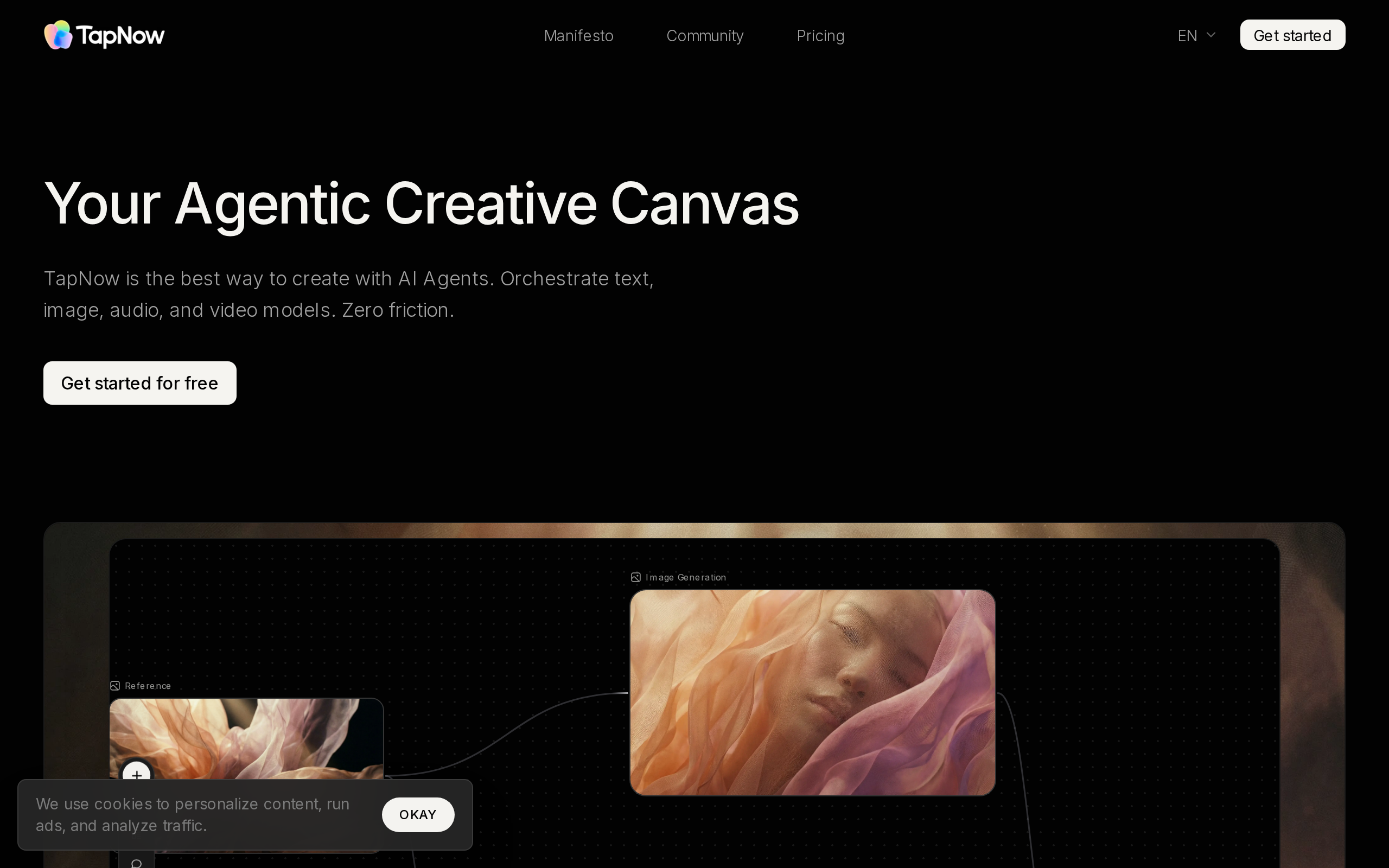
TapNow shows another piece of the same problem. Its 3D virtual studio can turn a still scene image into an editable and filmable space, while its Harness Layer selects more suitable models, professional prompts, reference assets, and generation methods for specific tasks, according to geekpark. It also integrates Sonilo Sound Effects 1.0 and a Sonilo music model, so sound and picture can be revised together after a video is uploaded once.
When to use which workflow, and when not to
- You already have a first draft, but the hard part is figuring out what to revise next. Use the woshipm framing: do not rely on regenerate alone; break the task down after the first failed generation, and revise character, scene, then storyboard.
- You are turning a vague creative idea into a structured video or campaign workflow that needs assets, review, and reuse. Use Creative OS / TapNow-style workflows: Brainstorm for structure, Skill for reusable process, and Plugins for pulling in materials from Feishu, Notion, Slack, Frame.io, Pinterest, and Vimeo.
- You need to move from notes and briefs to a proposal deck, reference images, teaser video production, client feedback syncing, review annotation, version confirmation, and final video management. Use Creative OS because the source describes exactly this end-to-end launch-event workflow.
- You are working with video creation and want automatic sound support after upload. Use TapNow's Sonilo tools: Sound Effects 1.0 for synchronized action and ambient sounds, or the music model for soundtrack and sound design after one upload.
- Your task is quick spoken text entry, and you want the system to clean up filler words and simple replacements. Use Typeless, since it removes fillers and can interpret correction instructions before outputting text.
- You are writing and want the act of writing to remain part of thinking and revision, not be replaced by speaking. Be cautious with Typeless and similar voice tools; the author argues that writing is a thinking process and that saying is not faster than typing for text creation.
- You are hoping AI alone will remove friction before any work starts. Do not assume the barrier has disappeared; the sources say the barrier has moved later, and the difficult part is often after output exists.
- You need to create with existing team materials rather than start from a blank prompt. Prefer Creative OS / TapNow, because it can read materials from workplace tools and turn a still scene image into an editable and filmable space.
From messy idea to reusable workflow
Creative OS and the micro-drama workflow point to the same fix for AI creation: stop asking one input box to hold the whole problem. In woshipm's framing, the micro-drama process starts by fixing the character, then generating the scene, then handling the storyboard. That order matters because it gives the user control over structure before the tool floods the page with output.
Geeppark's report on Creative OS shows the same logic in a broader product. Platform creators compare it to the Codex of the creation field, and the author tested it on three different projects: a self-media video idea, an ongoing content project, and a short film script that had not been filmed for years. Its Brainstorm module turns a vague idea into character settings, narrative directions, and visual plans. Skill goes one step further by packaging an existing workflow so it can be reused for a new script.
That is the shift from one-off generation to repeatable process. A company launch event workflow in Creative OS can begin with Feishu meeting notes and Notion customer briefs, then move through a proposal deck, reference images, teaser video production, client feedback syncing, review annotation, version confirmation, and final video management. The same idea appears in TapNow's audience: brand, marketing, game publishing, and product communication teams. According to geekpark, more than 70% of carmakers in China and some leading game companies are already using it as part of fixed production work.
The commercial pattern is clear. The article says AI video commercialization and industrialization may first land in videos that are one to ten minutes long, where workflows are still editable and templates still matter. TapTV reinforces that direction by regularly featuring mid-length and short AIGC works, with many creators sharing how they made them. That is where reusable structure starts to beat raw output.
Watch what happens after the first output. If a tool only helps you speak faster, sspai's author says it can start cutting into the thinking process instead of supporting it. In their workflow, LLMs stay in small jobs: grammar, typos, and organizing ideas. That is the useful boundary.
So, when you choose a tool, ask a narrower question than "How fast is the draft?" Ask whether it lets you revise without losing structure, keep roles or templates intact, and change only the broken parts. Writing is not a one-way spill.
That is why the failed Typeless session matters: a 30-second input glitch turned speech into garble, and even then the tool could barely rescue the sentence. The reader's move is simple. Keep a process that still works when the first draft is wrong.
For readers outside China
- Availability: The sources do not clearly state availability outside China for Creative OS, TapNow, or Typeless. The ledger only shows that TapNow users include brand, marketing, game publishing, and product communication teams, and that Typeless was demonstrated on a friend's phone.
- Pricing: Not disclosed in sources.
- Closest Western equivalents: Wispr Flow for Typeless-like voice input; Codex as the comparison used by TapNow creators for Creative OS; Frame.io, Notion, Slack, Pinterest, and Vimeo as the kinds of tools Creative OS is designed to read from, rather than direct equivalents
- Data residency: Not disclosed in sources. The ledger does not say where user data is stored, whether materials are processed domestically, or whether any product offers region selection.
Sources
- sspai 就内容创作而言,说话还是替代不了打字 https://sspai.com/post/112901
- geekpark AIGC 的中场,我们需要创作领域的「Codex」 https://geekpark.net/news/368267
- woshipm AI 产品的门槛,不在开始使用前,而在第一次生成之后 https://woshipm.com/ai/6406731.html
The evidence: 31 facts from 3 Chinese articles
Each line below was extracted from the article it sits under, in Chinese, before any of this was written. The writing is done from these and never from the source prose - that separation is structural, not a promise. How we work.
geekparkAIGC 的中场,我们需要创作领域的「Codex」
- 影视飓风 has entered the AI film and video field and launched an AI visual creation tutorial with TapNow.
- TapNow positions Creative OS as the world's first AI-native creation system.
- Platform creators compare Creative OS to the Codex of the creation field.
- The author tested Creative OS on three different projects: a self-media video idea, an ongoing content project, and a short film script that had not been filmed for years.
- Creative OS includes Brainstorm, which expands a vague idea into character settings, narrative directions, and visual plans.
- Creative OS includes Skill, which can package an existing creation workflow and reuse it for a new script.
- Creative OS includes Plugins that let AI read materials from tools such as Feishu, Notion, Slack, Frame.io, Pinterest, and Vimeo.
- A company launch event workflow in Creative OS can start from Feishu meeting notes and Notion customer briefs, then move into a proposal deck, reference images, teaser video production, client feedback syncing, review annotation, version confirmation, and final video management.
- TapNow's users include brand, marketing, game publishing, and product communication teams.
- TapNow offers a 3D virtual studio that can turn a still scene image into an editable and filmable space.
- TapNow provides a large number of video models, and its Harness Layer selects more suitable models, professional prompts, reference assets, and generation methods for specific tasks.
- TapNow has integrated the video-native AI sound model Sonilo Sound Effects 1.0, which can recognize actions and scenes in a video and automatically add synchronized action sounds and ambient sounds.
- TapNow also has a Sonilo music model that can complete soundtrack and sound design together after a video is uploaded once.
- TapTV regularly features mid-length and short AIGC works, and many creators share their production process there.
sspai就内容创作而言,说话还是替代不了打字
- Typeless is a voice input tool.
- Typeless uses a large language model to process transcription results before outputting them to the input box.
- Typeless removes filler words such as "嗯啊是哎" from transcriptions.
- Typeless can interpret replacement instructions such as "啊,不是,刚才说的应该是......" and revise the transcript accordingly.
- The author first saw a Typeless demonstration on a friend's phone.
- In the demonstration, Typeless produced a clean transcript from a long prompt spoken naturally in the ChatGPT app.
- The author uses LLMs only for tasks such as checking grammar, correcting typos, or organizing ideas.
- Wispr Flow has launched a typing contest in which a user can win a Porsche if their typing speed exceeds their speaking speed.
- The author experienced a 30-second failed Typeless input session when a macOS client bug caused garbled text with a buffered Chinese input method.
- The author says Typeless could barely polish the chaotic speech into a reasonable sentence in that failed session.
- The quoted passage from 《美国讲稿》 says the speaker prefers writing by hand because writing allows repeated revisions.
woshipmAI 产品的门槛,不在开始使用前,而在第一次生成之后
- Many AI products no longer require users to install an environment, understand models, or finish a tutorial before using them.
- Many AI products work as a webpage, an input box, or a chat window where a user writes one sentence and gets a result.
- Earlier AI barriers were before starting, such as installing an environment, learning software, reading tutorials, and understanding parameters.
- Current AI barriers often appear after output is generated, such as inconsistent characters, unnatural dialogue, or images that do not hold together as one story.
- The author's friend has been looking at AI micro-dramas and has tried several tools after seeing some examples online.
- The article was originally published by CyrusChang on 人人都是产品经理.