
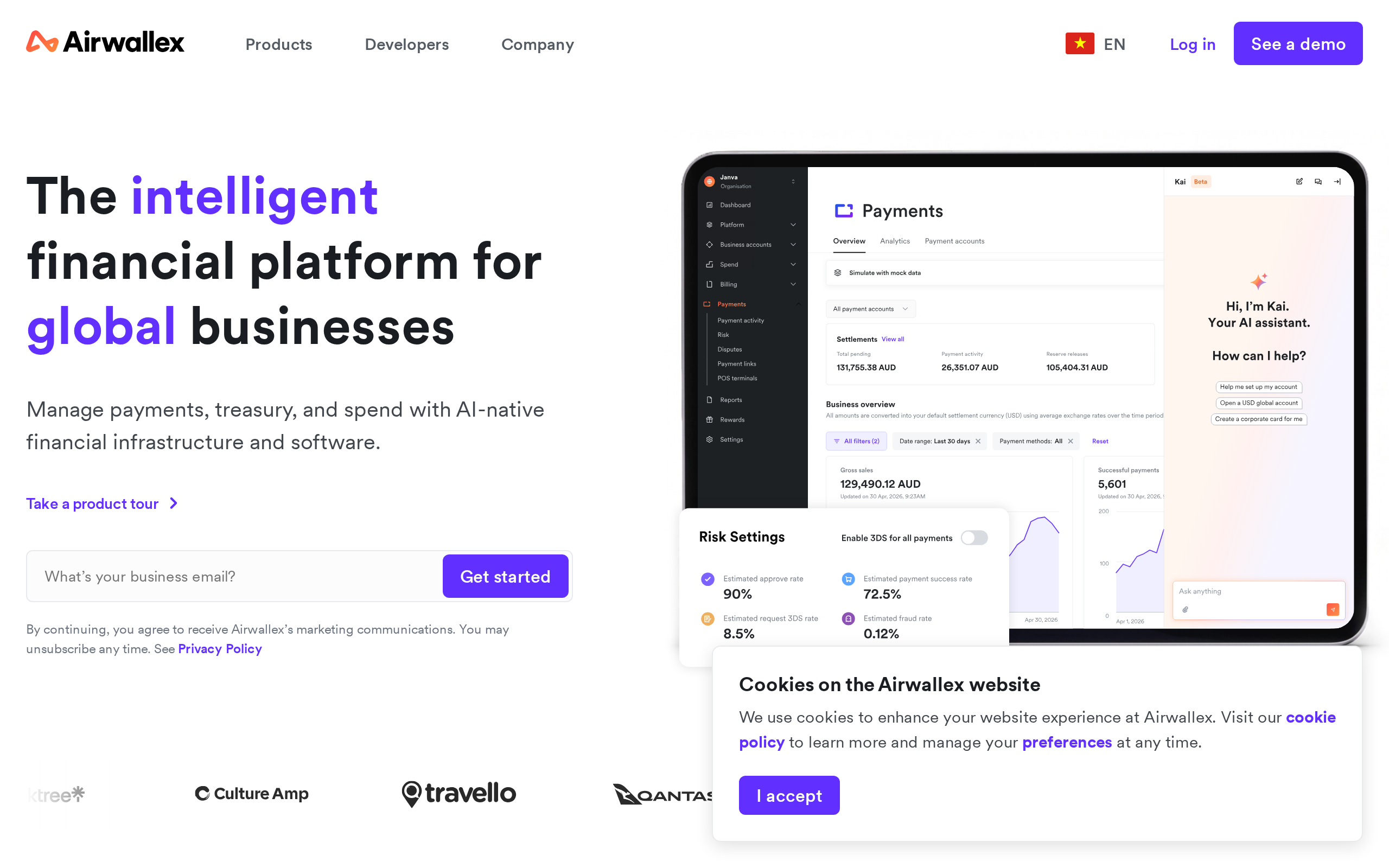
Within less than 60 days, several major Chinese internet companies moved their Agent products toward the same place: the systems that already control work. According to geekpark, Alibaba began internal integration in June and then formally merged QoderWork, Wukong, and MuleRun into Qianwen Office on August 3. Tencent folded QClaw-related businesses and teams into WorkBuddy on July 20. ByteDance moved the Feishu product team into Doubao on July 30. That pattern matters because these are not just chatbot changes; they are attempts to bind an Agent to files. It also has to handle computer operations. It must work within permissions and business systems. Geekpark says Qianwen Office inherits local files. It also inherits long-running tasks, resource scheduling, organizational identity, and write access into the same product frame. Read together, these moves point to a simple shift: the first Chinese Agents that can matter in daily work will be the ones that can act, leave an audit trail, and finish tasks inside existing enterprise control.
Enterprise IM and cloud suites are absorbing the first serious Agent workflows
From June to early August, Chinese internet companies started folding Agent products into the systems that already own identity and permissions, plus write-back rights. According to geekpark, Alibaba began a major internal integration in June, then on August 3 it merged QoderWork, Wukong, and MuleRun into one Agent product called Qianwen Office (千问办公). Tencent followed with a July 20 business integration that moved QClaw-related businesses and teams into WorkBuddy. ByteDance then said on July 30 that the Feishu product team had been merged into Doubao, with Feishu head Xie Xin reporting to Doubao head Zhao Qi. The pattern is close enough that geekpark says these moves landed within less than 60 days.
- JuneAlibaba begins major internal Agent integration
- JuneOpenAI merges Codex into ChatGPT
- July 20Tencent merges QClaw-related teams into WorkBuddy
- July 30ByteDance moves Feishu team into Doubao
- August 3Alibaba unveils Qwen3.8 and merges three Agent products into Qianwen Office
That matters because these products are not starting from a blank chat box. Geekpark says Qianwen Office combines capabilities inherited from local files and computer operations, along with long-running tasks and resource scheduling, plus organizational identity, permissions, and business systems. In other words, the Agent is being placed where work already happens, not beside it. If a system can see the file, reach the app, and keep track of who is allowed to do what, it can do more than respond. It can carry a task forward.
If the integration story sounds abstract, ifanr gives the concrete layer. It says Qianwen supports connections to Quark Drive, DingTalk, Feishu, WeCom, Notion, Tencent Docs, plus reminders, memos, and calendars on the local computer. It also says the mobile app now includes office assistant, and mobile and desktop support multi-device collaboration. That kind of wiring is the point: the first serious Agent workflows are being absorbed into enterprise IM and cloud suites because those suites already control the handoff between asking, acting, then writing back. Geekpark adds that model-and-agent integration can create a flywheel, with agents sending real task feedback back into models and models improving agent judgment and capability.
What makes an Agent trustworthy is not model size but permissioned action and auditability
Airwallex is framing agent trust as a systems problem, not a model-size problem. According to geekpark, its global chief revenue officer Wu Kai said the company is building the underlying execution capability for AI-native enterprise finance and commerce, and Airwallex describes that as an AI native financial operating system. That matters because the company says the operating system creates two opportunities: autonomous finance on the business-operations side and agentic commerce on the payments and checkout side.
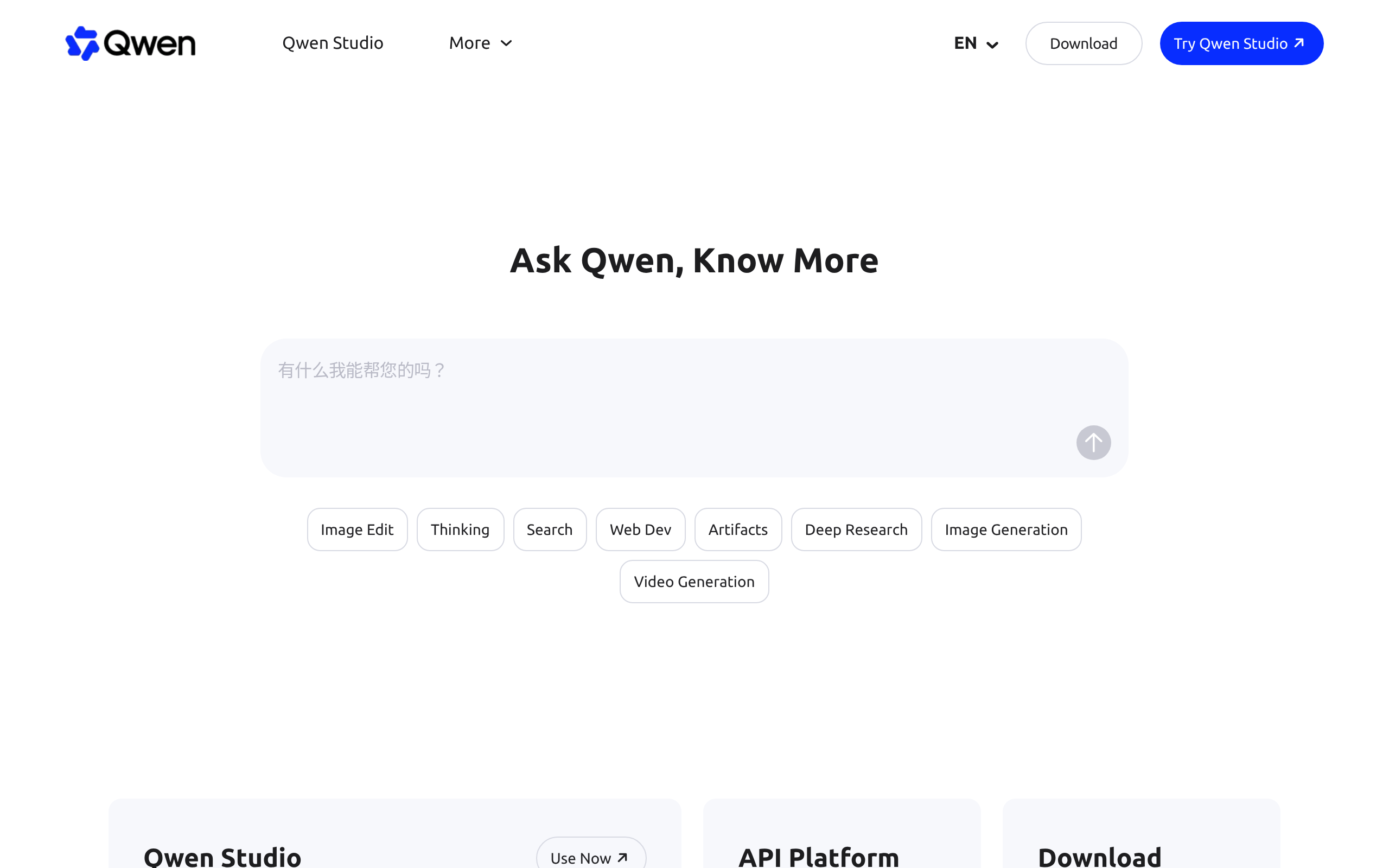
Wu Kai's standard for a real agent is strict. In finance, he said, an agent is only truly online when it can work inside a company's real approval framework. It also has to fit the company's compliance rules and risk-control processes. Airwallex's own products show how that works in practice. T:0 is designed to run finance functions end to end. It covers bookkeeping. It also covers forecasting and reporting. Airi began as a one-click checkout wallet, and Airwallex positions it as both the trust layer and the credential layer for agentic commerce.
The permissions are tightly bounded. According to geekpark, the AI assistant Kai has the same permissions as the user and is constrained by the same account roles, permission rules, eligibility rules, and workflow controls. Wu Kai also said user authorization is required before an agentic commerce transaction can be completed, and that in disputes involving chargebacks or fraud, final responsibility belongs to the cardholder. That is the audit trail enterprises need before they let software spend or approve on their behalf.
Airwallex also says its acquisition of OpenPay and Leapfin brought revenue data models into one ecosystem. It also brought reconciliation data models into that ecosystem. Accounting data models were included as well. Wu Kai argued that the best enterprise agents will be built on integrated financial systems rather than isolated copilots attached to fragmented data silos. That is why he split agents into ideal benchmark applications, automation-tool products, and AI assistant copilots: only one of those categories is built to finish work under real control.
Consumers may see the Agent first on phones and desktops, but the product still depends on back-end control
In June, OpenAI officially merged Codex into ChatGPT, and ifanr says that move gave the chat box a much wider set of actions: code execution, file operation, plus the ability to complete complex tasks directly from the interface. That matters because it points to a consumer path for Agents that starts on a phone or desktop rather than inside an enterprise suite. ifanr's framing is that AI assistants are moving from question-and-answer tools into Agents that can break down goals, call tools, and deliver results on their own. The breakout version of that idea is easy to picture: a button in chat, a push notification on the phone, plus a folder on the desktop, as the author puts it.
Qianwen shows how far that consumer-first version can go, and also why it still depends on connected infrastructure. On the day of its update, it added thinking research. It also added scheduled tasks, an office assistant, an agent marketplace, and voice calling, plus support for Qwen3.8-Max. It can open a new task conversation at a scheduled time, fetch the latest AI news for the day, and connect to Quark Drive, DingTalk, Feishu, WeCom, Notion, Tencent Docs, reminders, memos, and calendars on the local computer. The mobile app now includes office assistant too, and mobile and desktop support multi-device collaboration. In one test case described by ifanr, Qianwen turned a 45-minute eighth-grade math lesson on the Pythagorean theorem into more than ten tasks, then produced an editable Word lesson plan, a 16:9 classroom PPT, differentiated exercises with answers, and an interactive web page with draggable triangles. That is consumer automation with real output, but it still leans on files, scheduling, and device-to-device continuity.
The practical test is task completion, not model quality or chat volume
As woshipm frames it, the center of gravity is moving from model capability to task results as general-purpose models get easier to access. That matters because one output is not the same as a completed task. A sales follow-up email generated by AI is only a feature; helping a salesperson judge a customer's stage and delivering a ready-to-use email is closer to a task result. The planning rule follows from that: define the task first, then the result, then the boundary, instead of starting from which model to connect or which entry point to add.
That distinction also explains why buyers should stop judging Agents by chat volume. The useful yardsticks are task completion rate, delivery time, rework rate, human takeover rate, error rate, rollback rate, and whether users are willing to delegate the same kind of task again. Those measures separate a demo from something that can carry work. Woshipm reports that Anthropic draws the same line by describing workflows as preset paths that organize models and tools, while Agents are systems that dynamically decide steps and tools. A workflow can look polished without proving autonomous execution.
The scaling gap makes the point sharper. According to the McKinsey 2025 global survey cited by woshipm, 88% of respondents said their organizations frequently use AI in at least one business function. But close to two-thirds said they had not started enterprise-wide scaling, while only about one-third said scaling had begun. That is the distance between usage and deployment. Wang YUquan's view, as woshipm presents it, is that the smart revolution is a large-scale replication of human experience and professional services, which means the system has to finish work, not just generate text.
That is why model capability is necessary but not necessarily a long-term moat. The durable comparison is not which Agent chats best. It is which one finishes more tasks, with less rework, and earns repeated delegation.
When to use which Agent stack, and when not
- You need an office agent that can work across local files, cloud docs, calendars, reminders, and enterprise chat tools, while also breaking a goal into multiple subtasks. Qianwen Office is the strongest fit in the sources because it combines local files and computer operations, organizational permissions, and connections to Quark Drive, DingTalk, Feishu, WeCom, Notion, Tencent Docs, reminders, memos, and calendars.
- The task is finance or commerce execution, where approval, compliance, risk control, billing, reconciliation, and checkout trust matter more than chat quality. Airwallex is the best match in the sources, because it explicitly frames itself as an AI native financial operating system and says an agent is only truly online inside real approval, compliance, and risk-control frameworks.
- You want a product that behaves more like a workflow system than a free-form autonomous agent. Use the workflow approach described by Anthropic, because the source distinguishes workflows as preset paths that organize models and tools, while Agents dynamically decide steps and tools.
- You are evaluating whether a model-only improvement is enough to count as product success. Do not stop at model quality. The sources say competition is shifting from model capability to task results, and that one output does not mean the user has completed a task.
- You need to measure whether an AI product is actually useful in production. Use task-oriented metrics rather than chat metrics: task completion rate, delivery time, rework rate, human takeover rate, error and rollback rate, and whether users are willing to delegate the same kind of task again.
- You are building a consumer or enterprise assistant that must actually finish work rather than just answer questions. Prefer the agent direction described by OpenAI, Qianwen, and the enterprise sources: the product should be able to call tools, operate files, and complete complex tasks directly from the chat box, not just generate text.
- You need a product with broader task execution across office scenarios, including scheduled actions and voice interaction. Qianwen is the clearest fit in the sources because it added thinking research, scheduled tasks, office assistant, an agent marketplace, and voice calling.
- You need a system where the assistant inherits the user's permissions and stays inside existing account controls. Airwallex is the explicit example, because Kai has the same permissions as the user and is constrained by account roles, permission rules, eligibility rules, and workflow controls.
- You are deciding whether to treat consumer assistants as finished products. Do not assume they are finished. The sources say the real test is trusted, repeatable production work, and that agents need authorization before commerce actions can complete.
The first durable categories will be the ones with money, repeatable inputs, and feedback loops
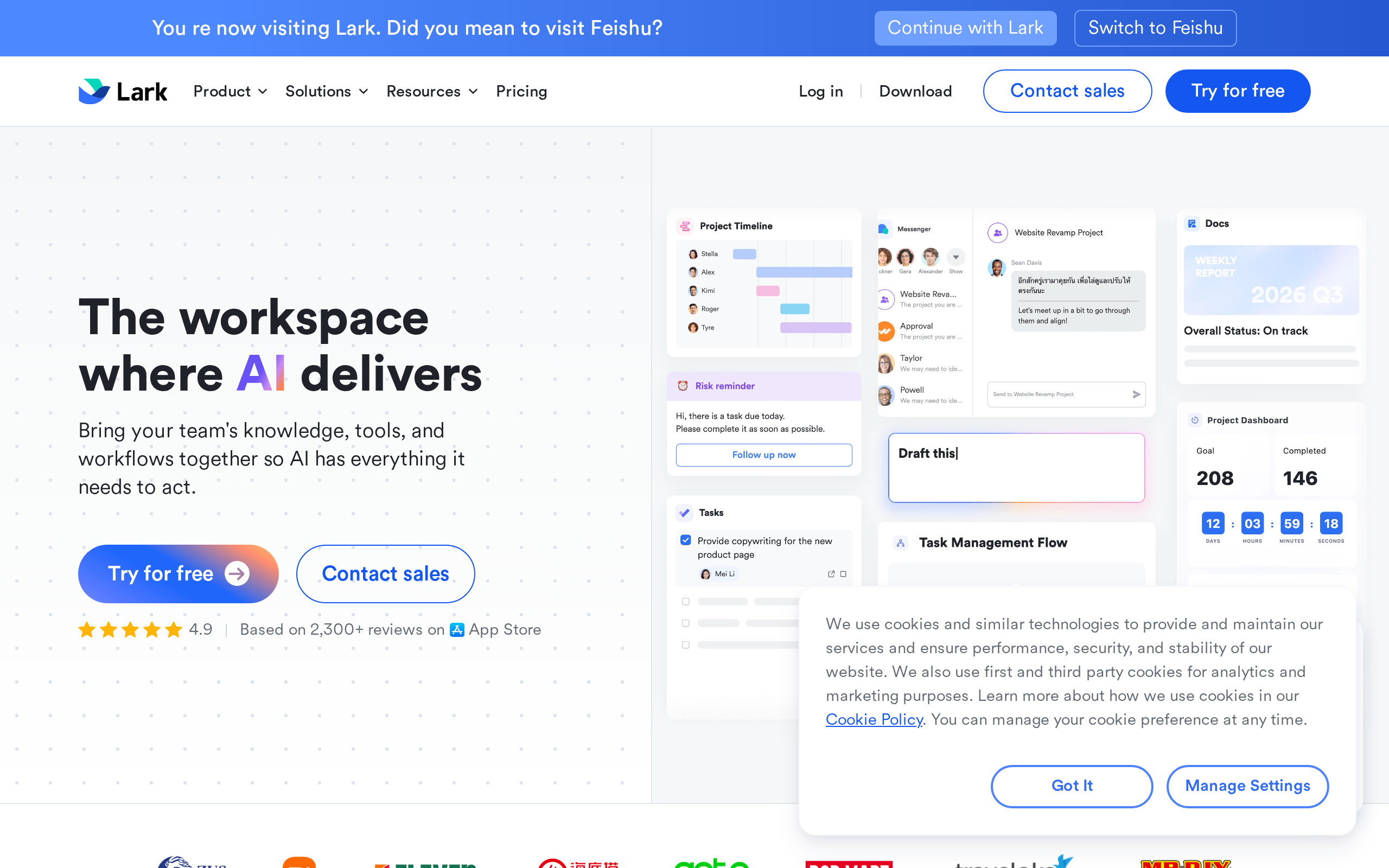
The first sticky Agent businesses are the ones tied to money, repeated inputs, and visible outcomes. Geekpark notes that MuleRun had already served enterprise and individual users in 43 countries and regions by May of this year, and 34% of its users were paying more than 200 dollars per month. That mix matters because it shows a market where people will pay for execution, not only conversation. On the office side, a survey report from EasyData says the combined traffic of 17 mainstream desktop AI office agents exceeded 60 million visits in June 2026. But the traffic is concentrated: products related to Tencent, ByteDance, and Alibaba together accounted for about 56.22 million of those visits, leaving less than 5 million visits for other players. The early winner there is not a universal chatbot. It is the product that sits inside an existing workflow and can keep doing the same class of task.
That logic extends into finance and commerce. Geekpark reports that Airwallex says its operating system opens two paths: autonomous finance on the business-operations side and agentic commerce on the payments and checkout side. Wu Kai also said consumer agents will be authorized to compare prices, choose products, then place orders, with agent-to-agent payment systems as a future trend. He argued that real deployment is about being trusted and repeatedly completing production tasks, and that enterprise agents should be built on integrated financial systems rather than isolated copilots attached to fragmented data silos. Airwallex says its acquisition of OpenPay and Leapfin brought billing data models, revenue data models, reconciliation data models, and accounting data models into one ecosystem, which is exactly the kind of loop that can measure results and feed them back into models.
That feedback loop is the larger prize. Geekpark argues that model-and-agent integration creates a flywheel in which agents provide real task feedback to models and models improve agent judgment and capability. Even skill marketplaces point the same way: ifanr says Qianwen's marketplace already spans nine categories, from productivity tools and consulting research to investment and finance, content creation, life services, code development, and visualization. The categories that hold onto users will be the ones where execution can be priced, checked, then repeated.
How the sources compare on where Chinese Agent products are converging
| Dimension | Alibaba / Qianwen Office | Tencent / WorkBuddy | ByteDance / Doubao + Feishu | Airwallex | OpenAI / ChatGPT + Codex |
|---|---|---|---|---|---|
| Integration move | Merged QoderWork, Wukong, and MuleRun into Qianwen Office on August 3 | QClaw-related businesses and teams were merged into the WorkBuddy system on July 20 | The Feishu product team was merged into Doubao on July 30 | Building an underlying execution capability for AI-native enterprise finance and commerce | Merged Codex into ChatGPT in June |
| What the integration is meant to control | Local files and computer operations, long-running tasks and resource scheduling, and organizational identity, permissions, and business systems | not covered | not covered | Approval, compliance, and risk-control frameworks; payment and checkout trust layers | Execute code, operate files, and complete complex tasks directly from the chat box |
| User-facing execution surface | Office assistant, agent marketplace, voice calling, scheduled tasks | not covered | not covered | T:0 and Airi | Chat box |
| Tool / system connections | Quark Drive, DingTalk, Feishu, WeCom, Notion, Tencent Docs, reminders, memos, and calendars on the local computer | not covered | not covered | OpenPay and Leapfin brought billing, revenue, reconciliation, and accounting data models into one ecosystem | not covered |
| Product boundary or role framing | Unified Agent product called Qianwen Office; agent marketplace covers nine categories | Integration into WorkBuddy system | Feishu team reporting into Doubao | AI native financial operating system with two opportunities: autonomous finance and agentic commerce | Assistant evolving into an Agent that can break down goals, call tools, and deliver results |
| Evidence of task completion | Split a 45-minute eighth-grade math lesson into more than ten tasks and produced a Word lesson plan, a 16:9 classroom PPT, differentiated exercises with answers, and an interactive web page | not covered | not covered | Kai has the same permissions as the user and is constrained by account roles, permission rules, eligibility rules, and workflow controls | not covered |
| Scale or traction mentioned | The article says 17 mainstream desktop AI office agents exceeded 60 million visits in June 2026; Alibaba, Tencent, and ByteDance-related products together accounted for about 56.22 million visits | Included in the about 56.22 million visits total | Included in the about 56.22 million visits total | MuleRun served users in 43 countries and regions by May of this year; 34% of MuleRun users paid more than 200 dollars per month | not covered |
| Pricing / access note | The new features are currently free for all users to try | not covered | not covered | not disclosed in sources | not covered |
What to watch next is whether Qianwen's office assistant and multi-device collaboration move from convenience into a real execution stack. The open signs are concrete: the mobile app already pairs with desktop support, and the skill marketplace spans nine categories, from productivity tools to visualization. If that grows, the next question is less about chat and more about how far it can read file contents, extract semantic information, and organize complex local files without breaking context. The lesson-prep demo points the same way: more than ten tasks, an editable Word plan, a 16:9 classroom PPT, and an interactive web page all came out of one request. On the data side, the 2025 Excel file already exceeded 20,000 rows, so scale and write-back are the pressure test.
For readers outside China
- Availability: Qianwen's new features are described as currently free for all users to try. MuleRun had served users in 43 countries and regions by May of this year. Airwallex is positioned globally in enterprise finance and commerce, but the sources do not give a country-by-country availability map. OpenAI's Codex-to-ChatGPT merge is mentioned without a regional availability note.
- Pricing: Qianwen's new features are currently free for all users to try. MuleRun had 34% of users paying more than 200 dollars per month by May of this year. No pricing is disclosed in sources for Airwallex or the OpenAI update.
- Closest Western equivalents: OpenAI ChatGPT with Codex-style code and file execution; Anthropic-style workflow-versus-agent systems; enterprise finance and commerce infrastructure that acts as an execution layer rather than a chat assistant
- Data residency: The sources emphasize control surfaces such as local files, desktop tools, enterprise chat, business systems, approval flows, and payment trust layers, but they do not specify where data is stored, which jurisdictions it stays in, or any formal residency guarantees. For residency, the sources are silent.
Sources
- geekpark 办公 Agent 爆火,模型大战进入下一阶段 https://geekpark.net/news/368429
- geekpark 从会聊天到能管钱:Agent 进入交易时代 https://geekpark.net/news/368494
- woshipm AI 产品的下一道分水岭:从展示能力到稳定交付结果 https://woshipm.com/ai/6442536.html
- ifanr 独家体验|千问大更新,把 Agent 装进了电脑和手机 https://ifanr.com/1674265
The evidence: 36 facts from 4 Chinese articles
Each line below was extracted from the article it sits under, in Chinese, before any of this was written. The writing is done from these and never from the source prose - that separation is structural, not a promise. How we work.
geekpark办公 Agent 爆火,模型大战进入下一阶段
- In June, Alibaba began a major internal integration of its Agent product lines and capabilities.
- On August 3, Alibaba announced the Qwen3.8 model, saying its coding and professional office abilities had been greatly improved.
- On August 3, Alibaba formally merged its three internally incubated Agent products QoderWork, Wukong, and MuleRun into a unified Agent product called Qianwen Office (千问办公).
- On July 20, Tencent began a business integration in which QClaw-related businesses and teams were merged into the WorkBuddy system.
- On July 30, ByteDance announced that the Feishu product team was merged into Doubao, and Feishu head Xie Xin reported to Doubao head Zhao Qi.
- MuleRun had served enterprise and individual users in 43 countries and regions by May of this year.
- By May of this year, 34% of MuleRun users paid more than 200 dollars per month.
- According to the article, a survey report from EasyData shows that in June 2026, the combined traffic of 17 mainstream desktop AI office agents exceeded 60 million visits.
- The article says Tencent-, ByteDance-, and Alibaba-related products together accounted for about 56.22 million of those visits, leaving less than 5 million visits for other players.
geekpark从会聊天到能管钱:Agent 进入交易时代
- At AGI Playground 2026 in Singapore's Marina Bay Gardens, the main stage lights came on and more than 50 global VC firms and hundreds of AI builders were in the audience.
- Airwallex describes this vision as an "AI native financial operating system".
- Airwallex has recently launched T:0 and Airi.
- T:0 is an AI-native financial platform designed to run finance functions end to end, including bookkeeping, forecasting, and reporting.
- Airi started as a one-click checkout wallet and is also positioned as the trust layer and credential layer for agentic commerce.
- In Airwallex's products, the AI assistant Kai has the same permissions as the user and is constrained by the same account roles, permission rules, eligibility rules, and workflow controls.
- Airwallex says its acquisition of OpenPay and Leapfin helped bring billing, revenue, reconciliation, and accounting data models into one ecosystem.
- Wu Kai divided agents into three categories: ideal benchmark applications, automation-tool products, and AI assistant copilots.
ifanr独家体验|千问大更新,把 Agent 装进了电脑和手机
- In June, OpenAI officially merged Codex into ChatGPT.
- On the day of the update, Qianwen added thinking research, scheduled tasks, office assistant, an agent marketplace, and voice calling.
- Qianwen also added support for Alibaba's latest flagship model Qwen3.8-Max.
- APPSO obtained exclusive early access to the new version.
- Qianwen can automatically open a new task conversation at a scheduled time and fetch the latest AI news for the day.
- Qianwen supports connections to Quark Drive, DingTalk, Feishu, WeCom, Notion, Tencent Docs, reminders, memos, and calendars on the local computer.
- The mobile app now also includes office assistant, and mobile and desktop support multi-device collaboration.
- When asked to prepare a 45-minute eighth-grade math lesson on the Pythagorean theorem, Qianwen split the work into more than ten tasks.
- For that lesson-preparation task, Qianwen produced an editable Word lesson plan, a 16:9 classroom PPT, differentiated exercises with answers, and an interactive web page with draggable triangles.
- When asked to collect national civil service recruitment information from the past five years, Qianwen downloaded the position tables from official sources and helped identify suitable jobs after the user answered questions about education and identity.
- The article says the 2025 Excel data exceeded 20,000 rows, and the earlier years each had more than 10,000 rows.
- Qianwen's skill marketplace covers nine categories, including productivity tools, consulting research, investment and finance, content creation, life services, code development, and visualization.
woshipmAI 产品的下一道分水岭:从展示能力到稳定交付结果
- The article says a recent episode of 《原点 The Origin》 featured a conversation between Wang Qinwen and Wang YUquan, the founder of Sequoia Capital China, for about one hour.
- The article says a sales follow-up email generated by AI is only a feature, while helping a salesperson judge a customer's stage and delivering a ready-to-use email is closer to a task result.
- The article says an Agent can act for users or for enterprises, and that these roles may represent completely different interests.
- The article says Anthropic distinguishes between workflows and Agents, defining workflows as preset paths that organize models and tools, and Agents as systems that dynamically decide steps and tools.
- The article says a hotel delivery robot only needs to complete pickup, movement, obstacle avoidance, delivery, and return, and does not need to look human if the task is clear and the environment is controllable.
- The article cites a McKinsey 2025 global survey saying that 88% of respondents said their organizations frequently use AI in at least one business function.
- The article cites the same survey as saying that close to two-thirds of respondents said their organizations had not started enterprise-wide scaling, while only about one-third said scaling had begun.