
ColorOS 17 turns scattered phone activity into Xiaobu Memory, where One-key Flash Note can capture delivery pickups, WeChat chats, reading excerpts, and Bilibili videos lasting several hours. According to ifanr, the system categorizes and connects these dispersed inputs as personal context, while Xiaobu Space can turn calendar arrangements, chat invitations, movie plans, and trips into to-do items.
That changes the job of AI. With authorization, ColorOS 17 can infer habits from repeated conditions, including an alighting reminder after several days on the same subway route. The woshipm author argues that an assistant's core asset is data, but valuable data must remain real, contextual, reusable, and controllable. Persistent memory can make help timely; it can also preserve the wrong assumption or carry private context into the wrong decision. The question is how that memory is governed.
A phone can turn scattered traces into context
ColorOS 17 treats fragments created on a phone as material for a personal context rather than isolated records. According to ifanr, One-Click Flash Note can capture food-delivery pickup details, WeChat chats, Xiaohongshu notes, reading excerpts, and Bilibili videos lasting several hours. It then parses and summarizes that material into Xiaobu Memory. The point is accumulation with little manual filing: information encountered while arranging daily life can remain available after the original app or conversation is gone from view.
- early 2023The author joined an AI learning community
- 2023Feng Xianfei began AI application implementation
- this yearThe author began trying AI products in their department
Xiaobu Space extends that collection into action-shaped organization. ifanr reports that it can recognize calendar arrangements, chat invitations, and forthcoming movies or trips, then turn information drawn from different apps into to-do items. AI One-Click Flash Note also covers courier pickup codes, contact details, and concert ticket-sale times.
That is a different model from asking an assistant a question and discarding the answer. ColorOS 17 categorizes, organizes, and connects dispersed inputs, ifanr says. With authorization, it can also infer habits from recurring conditions, such as issuing an alighting reminder before a subway stop after several days on the same route. Context becomes something the phone maintains across time.
But storing traces is not automatically a useful knowledge base. The woshipm author argues that data is the core asset of a personal AI assistant, and that valuable knowledge-base data must be real, contextual, reusable, and controllable. Those requirements distinguish a pickup code or invitation that can support a later task from a pile of captured fragments. A memory system earns its value when a person can understand why an item matters, reuse it in a relevant situation, and retain control over what stays in the system.
Proactive help needs a visible trust boundary
With authorization, ColorOS 17 can learn from repeated conditions rather than wait for a direct command. ifanr describes an alighting reminder appearing before a regular subway stop after several days on the same route. It also describes a Fluid Cloud card offering to order a beverage when someone passes a milk-tea store they often visit after work. The timing is legible: a route or a place has supplied the trigger.
That visible trigger is the trust boundary.
ColorOS 17 also turns discrete information into timely prompts: pickup codes can remind a person on arrival, contact details can create contacts, and ticket-sale information can become alarms precise to the second, according to ifanr. OPPO says Xiaobu Suggestions spans more than 40 third-party services, more than 150 service categories, and more than 700 detailed scenarios. OPPO also says Swarm Sensing reaches 95% prediction accuracy across subway lines in more than 30 cities nationwide. Scale makes helpful guesses easier to encounter. It also raises the cost of an incorrect one.
A suggestion should therefore expose the habit or condition it inferred, rather than present an unexplained recommendation as certainty. People need a way to inspect inferred preferences, correct them, export them, and delete them. They should also be able to decide which remembered conditions may trigger a card or reminder. As woshipm argues, AI cannot take over assumption checking, trade-off decisions, or final responsibility. A well-timed prompt helps because its reasoning is recognizable; without that visibility, repeated assistance can become disruption.
Old context must expire before it becomes instruction
A personal AI assistant is only as useful as the knowledge base behind it. According to woshipm, data is that base's core asset, but useful records must be real, contextual, reusable and controllable. That standard rules out treating every old note, chat fragment or habitual instruction as equally valid.
For a recurring task, preserve the facts that are authoritative, the decision that settled an open question, the constraints that still apply, and the criteria that define acceptable completion. Keep responsibility explicit. The woshipm author argues that people must retain problem definition, assumption checks, trade-off choices and final responsibility rather than handing them to AI.
The record also needs a maintenance rule. Mark a decision for review when its surrounding context changes; replace superseded instructions rather than leaving competing versions available; and remove an assumption when nobody can confirm it. Expiry is not deletion for its own sake. It prevents a past workaround from becoming an unexamined command.
woshipm describes an OpenAI Codex experiment in which early progress lagged because specifications were not clear enough. The team addressed that problem by centralizing and version-managing architecture documents, product specifications, execution plans, progress, decision logs and technical debt in the code repository. AGENTS.md acted as a short route map to the relevant material for each task, instead of becoming a container for every rule.
That model keeps memory operational: a compact entry point, named source material, and a visible current version. A minimum task contract can state the goal and context, then identify constraints, the deliverable, acceptance criteria and the responsible person. When those fields are reviewed, old context remains evidence rather than silently governing the next decision.
Private memory cannot become a team decision by default
OPPO describes ColorOS 17 as a personalized AIOS, and Xiaobu Next is designed to divide complex work among AI specialists with distinct capabilities, according to ifanr. That model suits private working memory: a system can organize a person's immediate context while keeping its conclusions close to the person who supplied it.
The boundary changes when an answer becomes a team input. woshipm reports that most respondents in an Anthropic survey thought only 0-20% of work could be fully handed to Claude without their own verification. Some Anthropic employees also said they began asking Claude questions once directed to colleagues, reducing chances for team guidance and communication.
Private memory can assist a worker. It should not silently become a team decision.
A shared system needs a different standard: versioned facts that colleagues and AI can inspect, challenge, and update. In an OpenAI Codex experiment described by woshipm, the team kept architecture documents and product specifications in the code repository. It also version-managed execution plans, progress, decision logs, and technical debt there. The repository made the current record distinguishable from an individual assistant's inferred recollection.
Crossing that boundary should require explicit consent, then confirmation before an AI-triggered action changes shared work. OPPO includes on-device priority and encryption in Xiaobu Next's security evaluation, ifanr notes; those protections matter for private context, but they do not establish organizational authority. The woshipm author argues that teams need a shared control plane readable by people and AI. Its purpose is to preserve consistent facts, assign clear responsibility, and keep quality controllable as individual output accelerates.
How context is captured, activated and governed across AI use
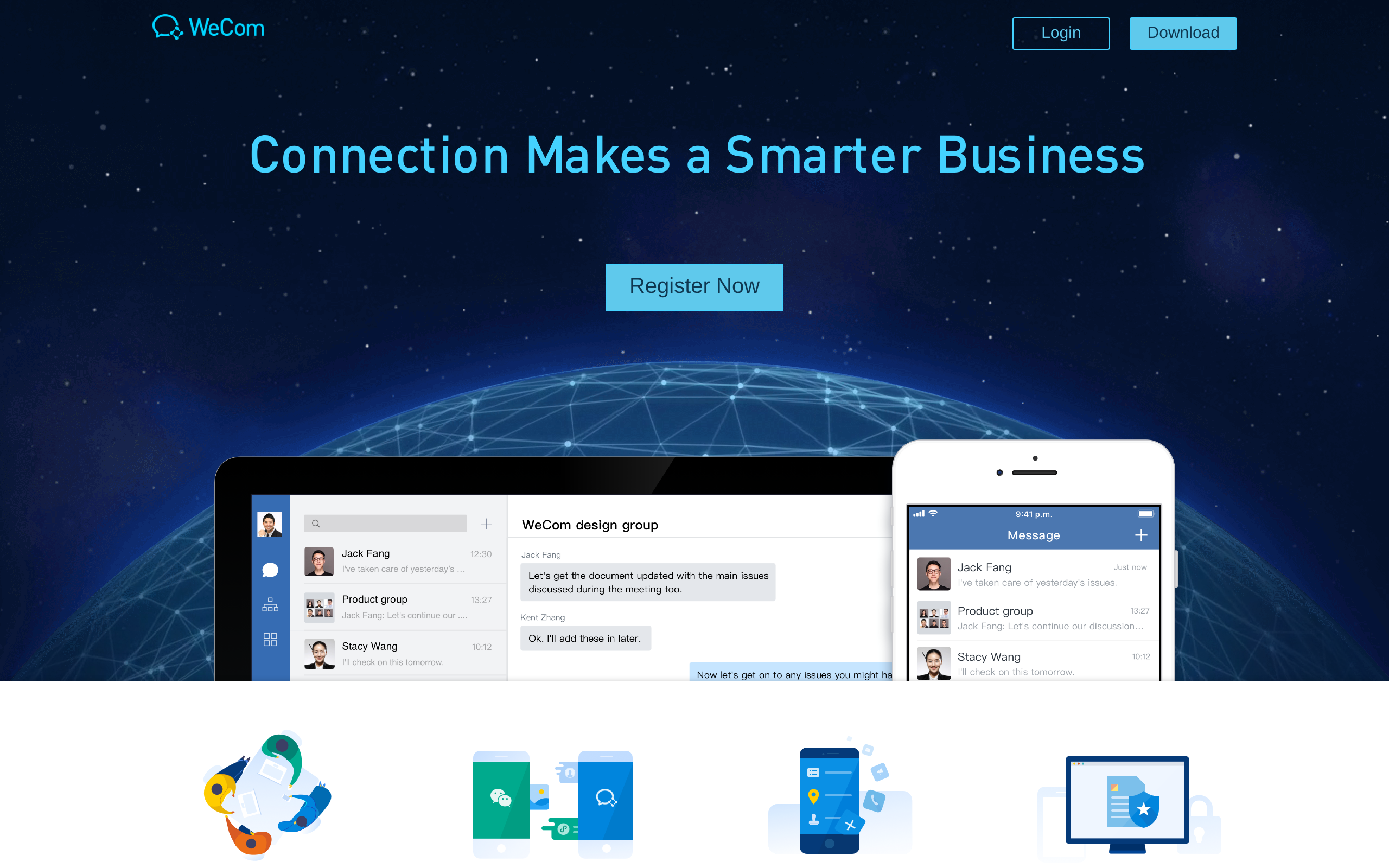
| Personal phone: ColorOS 17 | Individual workspace: Feng Xianfei's practice | Company workflow: AI-native operations | |
|---|---|---|---|
| Context capture | One-Click Flash Note captures pickup codes, contact information and ticket-sale times; Xiaobu Space identifies calendar arrangements, chat invitations and upcoming movies or trips. | A personal AI assistant depends on a knowledge base whose core asset is data; high-value data should be real, contextual, reusable and controllable. | WeCom can collect traces from employee-customer messages, calls and file transfers; operational-process data is needed alongside BI-report and financial data. |
| Context organization | ColorOS 17 categorizes, organizes and connects dispersed inputs into personal context; Xiaobu Space turns cross-app information into to-do items. | The author emphasizes defining problems, breaking down tasks and evaluating results rather than accumulating tools. | The Codex experiment centralized and version-managed architecture documents, product specifications, execution plans, progress, decision logs and technical debt in the code repository. |
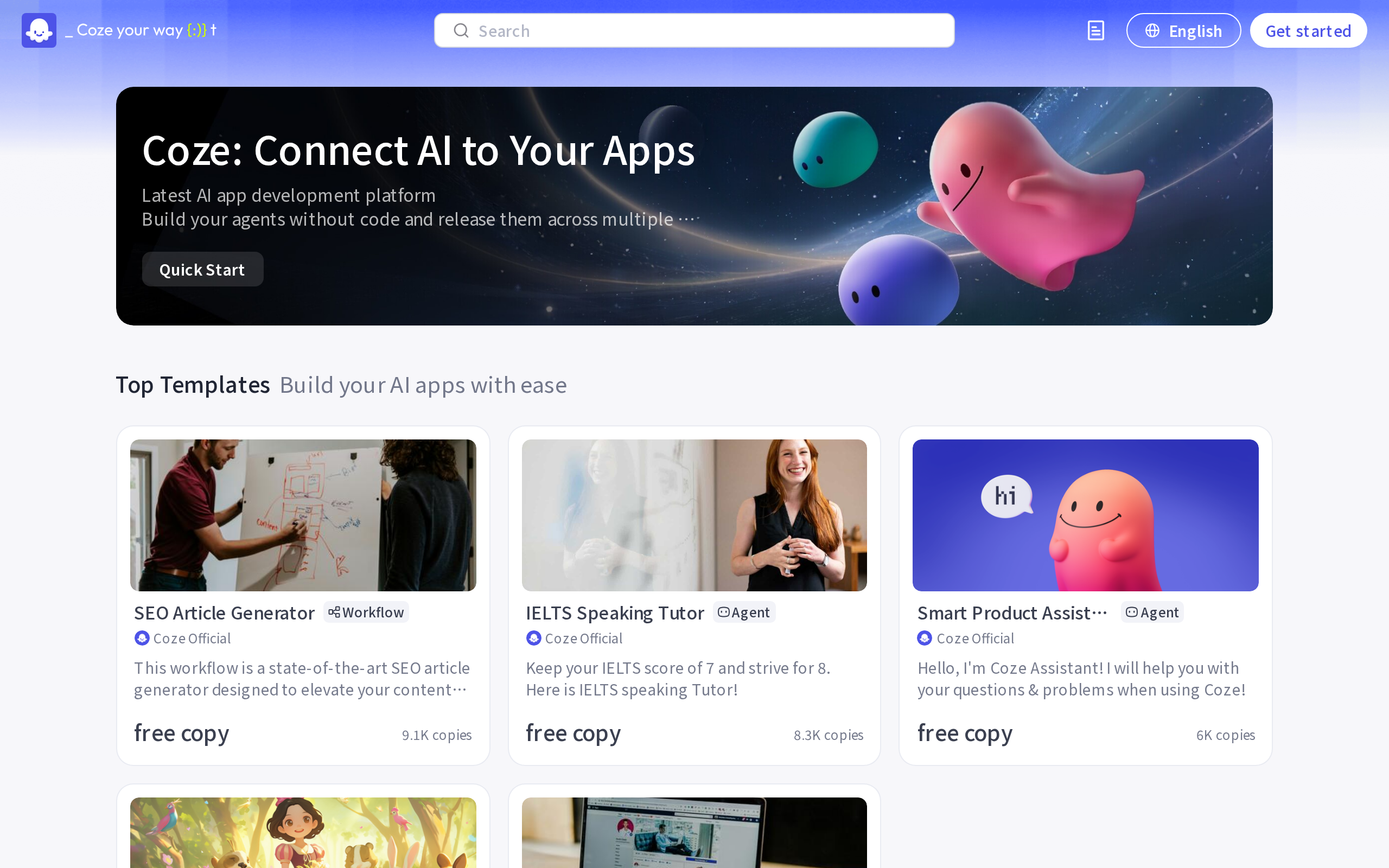
| Context-triggered action | Pickup codes can trigger arrival reminders, contact details can create contacts, and ticket-sale information can become alarms precise to the second. | The author uses assistants for automated tasks and has built agents and workflows with Coze. | The described data loop collects data, uses AI to analyze insights, optimizes operational actions, generates new data and repeats. |
| Proactive assistance | With authorization, ColorOS 17 can infer repeated habits, including subway alighting reminders and an "Order beverage" card when passing a regularly visited milk-tea store. | Not covered. | Multiple Agents can process customer conversations in parallel while a human handles low-confidence issues and checks the delivery report. |
| Sharing and coordination | Xiaobu Next lets users assemble AI specialists like a project team and assign tasks through an interface similar to a group chat. | Not covered. | Future teams need a shared control plane that humans and AI can read; documents are treated as formal communication protocols in the Juzi Hudong approach. |
| Governance and safeguards | Xiaobu Next lists on-device priority and encryption among its security evaluation dimensions; habit-based assistance is described as operating with authorization. | People should not outsource problem definition, assumption checking, trade-off decisions or final responsibility to AI. | A minimum task contract should specify the goal, context, constraints, deliverable, acceptance criteria and responsible person. |
| Failure or quality risk | Not covered. | Tools have increasingly short half-lives; learning tools without a concrete problem to solve is described as meaningless. | Insufficiently clear specifications slowed early Codex progress; OpenAI does not yet know how entirely Agent-generated systems will maintain architectural consistency over the long term. |
| Human role | Not covered. | The author writes articles manually rather than having AI generate them directly. | Most Anthropic survey respondents believed that only 0-20% of work could be fully delegated to Claude without their own verification. |
Govern context by scope, confidence and accountability
- You want a phone to turn scattered everyday signals-chat invitations, pickup codes, contact details, ticket-sale times, trips and calendar arrangements-into reminders or to-do items. Use persistent personal context when the input has a clear, time-bound action. ColorOS 17 can convert pickup codes into arrival reminders, contact details into contacts, and ticket-sale information into alarms precise to the second. Keep authorization deliberate: the system's habit-based suggestions, including transit and beverage prompts, are described as operating with authorization.
- A phone's proactive suggestions would be useful, but recurring-location or routine-based prompts could become distracting or based on an outdated habit. Prefer narrowly scoped, moment-specific triggers over broad always-on assumptions. The reported design of Fluid Cloud is to keep information at the edge of attention and surface it at relevant moments; use that model for events such as navigation, pickups and ticket sales, and reassess permissions when a routine changes.
- You are building a personal assistant or knowledge base from your own work. Put real, contextual, reusable and controllable material into the knowledge base, rather than accumulating data for its own sake. The source material argues that data is the core asset of a personal AI assistant, but also says people should retain problem definition, assumption checking, trade-off decisions and final responsibility.
- A company wants Agents to handle customer conversations or other operational work at higher volume. Automate parallel, repeatable work, then route low-confidence cases to people and require review of the delivered result. One customer case describes multiple Agents processing conversations in parallel while a human handled low-confidence issues and checked the delivery report before the end of the day. Treat AI output as capacity expansion, not as a substitute for verification.
- Several humans and Agents are contributing to a complex project, and output is arriving faster than the team can interpret it. Create a version-managed shared control plane before scaling generation. In OpenAI's Codex experiment, the team centralized architecture documents, product specifications, execution plans, progress, decision logs and technical debt in the code repository; early work was slower when specifications were insufficiently clear. Define a minimum task contract covering goal, context, constraints, deliverable, acceptance criteria and responsible person.
Context portability needs controls, not a surveillance layer
Context should travel with a record of where it came from. Before relying on an AI summary, a team should trace the authoritative document, inspect its current version, and ask whether the underlying information is still fresh. It should also separate facts retrieved from a source from context inferred by the model. That distinction matters when a portable memory turns a plausible assumption into an apparent instruction. In the Juzi Hudong case described by woshipm, documents function as formal communication protocols; matters outside them are not treated as having truly occurred.
A practical task contract makes those checks usable. The woshipm author argues that it should state the goal and context, then define constraints and the expected deliverable. It should also name acceptance criteria and a responsible person. AI can prepare work against that contract, but consequential changes to shared information need human confirmation. woshipm describes multiple Agents processing conversations in parallel at Juzi Hudong, while a human took low-confidence issues and checked the delivery report. Speed without that review can outpace a team's ability to understand and verify what changed.
Collection needs limits as well as utility. ifanr says OPPO evaluates Xiaobu Next against on-device priority and encryption, while woshipm frames operational traces as useful inputs for analysis. A portable context system should therefore expose what it collected, what it inferred, and what it is allowed to trigger.
Start with one recurring workflow and create a version-managed source of truth for its architecture, specifications, execution plan, decisions, progress, and technical debt. Give each task a contract: goal, context, constraints, deliverable, acceptance criteria, and a responsible person.
Keep the AI's working map short. In OpenAI's Codex experiment, AGENTS.md pointed Agents to authoritative materials rather than attempting to hold every rule. Clear specifications matter: according to woshipm, unclear ones slowed early progress.
Review what the system treats as current, especially after decisions change. Separate private drafts from the shared record, and require human confirmation before actions with meaningful consequences. Output can grow severalfold while a team's ability to verify it does not. The durable test is whether humans and AI can read the same control plane, assign responsibility, and keep quality controllable as work accumulates.
For readers outside China
- Availability: ColorOS 17 is scheduled to debut on the OPPO Find X10 series and OnePlus 16, followed by a gradual rollout to more devices. Meta launched Pocket in the United States shortly before the cited report. Availability of ColorOS 17 outside China, and availability of the other tools discussed, is not disclosed in sources.
- Pricing: Pricing for ColorOS 17, Pocket, Coze, Xiaolongxia, Codex, Workbuddy and Juzi Hudong is not disclosed in sources.
- Closest Western equivalents: For conversational AI, the source material explicitly places the author's adoption in the ChatGPT era.; For image generation, it explicitly cites Midjourney, used through Discord.; For coding agents, it explicitly cites Codex; the reported experiment used Agents to generate code, tests, continuous-integration configuration and development tools.; Pocket is a Meta product: a prompt-driven, social feed for publishing, playing and remixing AI-generated interactive pages, tools and mini-games. The source material does not identify a one-to-one Western equivalent for ColorOS 17's system-level personal context features.
- Data residency: The source material does not cover data residency, retention periods, cross-border transfers or deletion controls. OPPO lists on-device priority and encryption among Xiaobu Next's security evaluation dimensions, but does not disclose where data is processed or stored. The material also describes WeCom as a potential data collector because employee-customer messages, calls and file transfers leave traces on the platform; it does not state governance, access or retention rules for those traces.
Sources
- woshipm 人人都有AI,不等于拥有一支AI-native团队 https://woshipm.com/ai/6457827.html
- ifanr ColorOS 17 发布,OPPO 想让 AI 往前一步,主动一些聪明一些 https://ifanr.com/1680691
- ifanr OPPO Find X10 体验:想得周到,拍得好看 https://ifanr.com/1680665
- woshipm 看完卡神文章后,想跟你分享关于AI时代个人持续进步的5个思考 https://woshipm.com/share/6457145.html
- woshipm 做了两年AI落地,我总结了这7点思考 https://woshipm.com/ai/6464274.html
- geekpark AI 时代的「4399」,可把我玩嗨了|AI 上新 https://geekpark.net/news/370227
The evidence: 42 facts from 5 Chinese articles
Each line below was extracted from the article it sits under, in Chinese, before any of this was written. The writing is done from these and never from the source prose - that separation is structural, not a promise. How we work.
geekparkAI 时代的「4399」,可把我玩嗨了|AI 上新
- Meta officially launched Pocket in the United States shortly before the publication of this report.
- Pocket users can publish generated creations to a feed where other users can play, comment on, repost, or modify them into their own versions.
- Pocket includes simple mobile-game interactions such as rapid screen tapping, tap-triggered animations, Flappy Bird-style controls, pinball, table tennis, and brick-breaking.
- Some Pocket creations use a phone's gyroscope, such as a game in which users tilt the phone to guide a marble to the finish line.
- Pocket includes AI-dependent interactive creations such as a story generator with buttons for beginning, development, twist, and conclusion.
- A Pocket application called Life is a Poetry uses a phone camera and a large language model to generate a poem based on the camera image.
- On first login, Pocket guides users to create their own mini-game after they have browsed several creations.
- If an author enables the option allowing Remix when publishing a Pocket creation, anyone can ask AI to modify that creation.
ifanrOPPO Find X10 体验:想得周到,拍得好看
- OPPO Developer Conference ODC26 opened in Zhuhai.
- The author had used the OPPO Find X10 for half a month.
- One-key Flash Note, introduced during the Find X8 period, is a ColorOS feature activated by pressing the shortcut key on the left side of the device.
- The Find X10 offers two new native texture color styles, "Clear" and "Amber."
ifanrColorOS 17 发布,OPPO 想让 AI 往前一步,主动一些聪明一些
- OPPO unveiled ColorOS 17 at the 2026 OPPO Developer Conference.
- ColorOS 17's Xiaobu Space can identify calendar arrangements, chat invitations, and upcoming movies or trips, and organize information from different apps into to-do items.
- ColorOS 17's AI One-Click Flash Note adds scenarios for courier pickup codes, contact information, and concert ticket-sale times.
- In ColorOS 17, pickup codes can trigger reminders upon arrival, contact details can create contacts directly, and ticket-sale information can be converted into alarms precise to the second.
- OPPO introduced its self-developed Swarm Sensing technology to improve location awareness in ColorOS 17.
- ColorOS 17's integrated-navigation Fluid Cloud combines walking, bus, and subway travel into a continuous route chain.
- Car+ can continue unfinished in-car navigation on a phone after the user gets out of the car.
- The Xiaobu Next preview can split complex tasks among multiple AI specialists with different capabilities.
- Xiaobu Next allows users to select agents like assembling a project team and assign tasks through an interface similar to a group chat.
- OPPO lists on-device priority and encryption among Xiaobu Next's security evaluation dimensions.
- ColorOS 17 adds an AI Photo Editor based on OPPO's self-developed Da Vinci visual-understanding large model.
- ColorOS 17's AI Photo Editor can process natural-language composite requests involving removal, composition, brightening, upscaling, and color adjustments, and supports uploaded reference images for reproducing visual styles.
- ColorOS 17's accessibility smart screen reader can identify controls in some third-party apps that lack screen-reader labels and describe them by voice.
- ColorOS 17's end-to-end AI anti-fraud feature integrates call semantic recognition, cross-app risk assessment, and AI face-swap detection.
- ColorOS 17 will debut on the OPPO Find X10 series and OnePlus 16, then roll out gradually to more devices.
woshipm看完卡神文章后,想跟你分享关于AI时代个人持续进步的5个思考
- The woshipm author has used AI for more than three years, including for conversations, image generation, building agents, and creating workflows.
- The woshipm author started using large-language-model conversations in the ChatGPT era.
- The woshipm author used Midjourney through Discord when beginning to use AI for image generation.
- The woshipm author used Coze to build agents and workflows.
- The woshipm author has used Xiaolongxia and Codex to create assistants for automated tasks and to accumulate skills.
- The woshipm author began trying to implement specific AI products in their department this year.
- The woshipm author joined an AI learning community in early 2023.
- The AI learning community organized practical camps for AI products and tools, and participants could recover their deposits after completing all assignments.
- The woshipm author enrolled in practical camps on Coze, RPA plus AI content creation, AI video workflows, AI e-commerce workflows, Codex, Workbuddy, and GEO.
- The woshipm author writes articles manually rather than having AI generate them directly.
woshipm人人都有AI,不等于拥有一支AI-native团队
- Anthropic surveyed 132 internal engineers and researchers about their use of Claude.
- OpenAI conducted an internal experiment in which a team used Codex to build a real software product from scratch.
- In OpenAI's Codex experiment, Agents generated the code, tests, continuous-integration configuration, and development tools, while humans did not directly write code.
- The team in OpenAI's Codex experiment centralized and version-managed architecture documents, product specifications, execution plans, progress, decision logs, and technical debt in the code repository.
- In OpenAI's Codex experiment, AGENTS.md served as a short map directing Agents to the real materials needed for different tasks rather than containing all rules itself.